The Invisible Side of Ultrasound: AI Uncovers What Doctors Can’t See
The story of pregnancy has always been one of anticipation — but also uncertainty. Despite decades of advances, expectant parents and clinicians still face blind spots in detecting complications early enough to make a difference. This is why the recent news that Danish startup Prenaital has secured $1.57M (10M DKK) in funding through the BioInnovation Institute’s Venture House program should make all of us in women’s health sit up and take notice.
Beyond What the Human Eye Can See
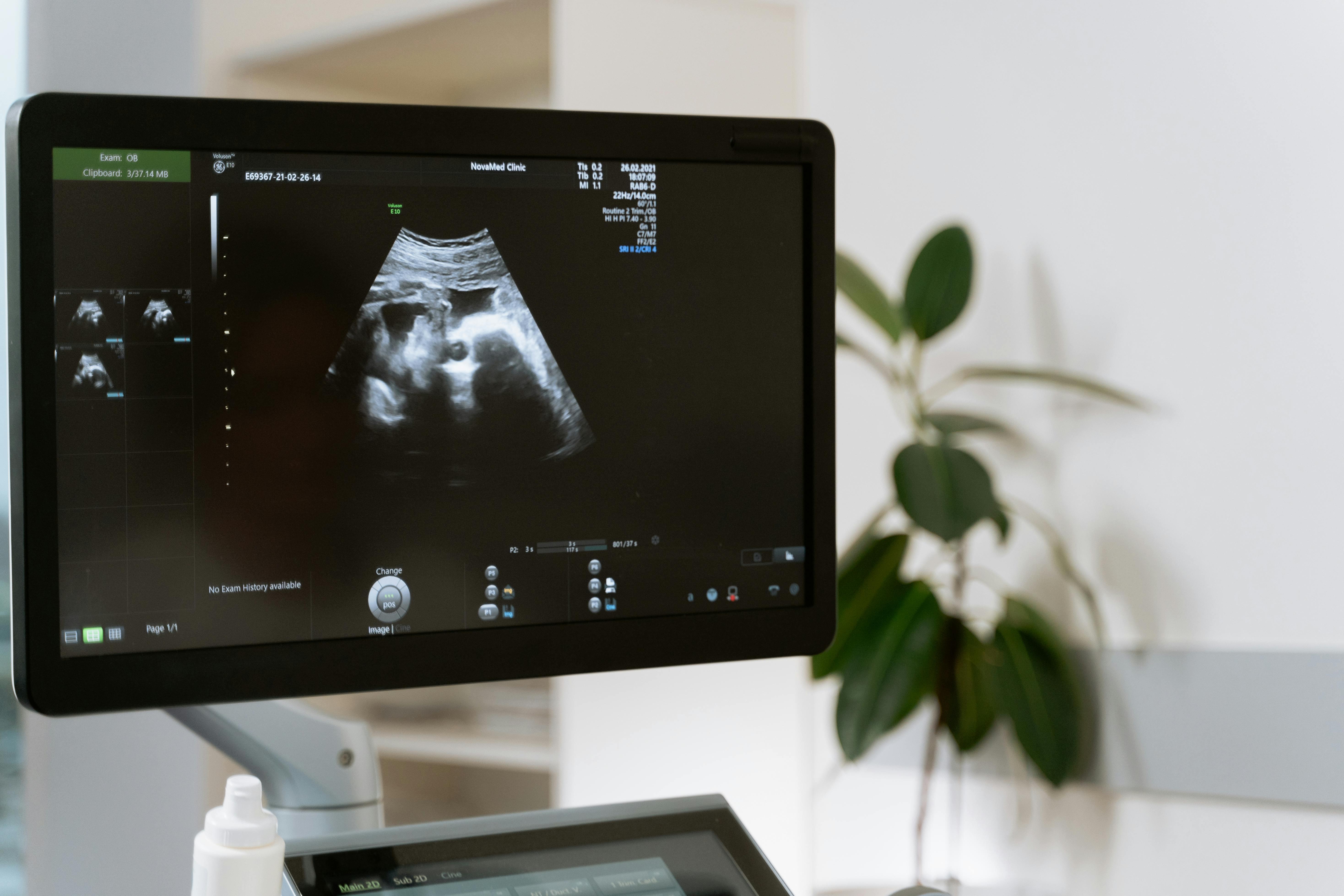
Prenaital’s AI platform brings new precision to one of the most fundamental tools of pregnancy: the ultrasound. Instead of relying solely on visual interpretation, the technology can read texture, softness, and micro-patterns invisible to clinicians, achieving:
- 25–35% higher accuracy in fetal growth assessment
- 30% more high-risk pregnancies identified compared to standard practice
This isn’t just an incremental improvement. It’s the kind of leap that could redefine prenatal diagnostics and the way we think about monitoring maternal and fetal health.
From One-Size-Fits-All to Individualized Care
As Prenaital’s CEO Tanja Danner explains, the company’s ambition is to build a comprehensive risk prediction platform that personalizes pregnancy care. This is exactly the shift women’s health has long needed: moving from reactive models to proactive, individualized risk assessment throughout pregnancy.
Imagine a world where:
- Pregnancy care adapts dynamically to each woman’s biology.
- Risks are flagged earlier, when intervention is still possible.
- Clinicians are supported by AI insights, not burdened with more manual interpretation.
That’s the paradigm Prenaital is pushing toward.
The Bigger Picture for Women’s Health Innovation
Prenaital’s funding win is more than a startup success story — it signals something deeper about where women’s health innovation is headed. Too often, maternal health technology has lagged behind, underfunded and underserved. Yet solutions like this show how AI can bridge critical gaps, not replace human care, but augment it in ways that truly save lives.
For InsideHer, this raises a bigger question: What other blind spots in women’s health could be transformed if we applied the same lens of precision, personalization, and prevention? From menopause to fertility, from endometriosis to cardiovascular health — the opportunities are vast.
Why We’re Watching This Space Closely
Prenaital’s journey underscores the momentum we’re beginning to see across femtech and maternal health. When startups are backed by strong research foundations, clinical validation, and visionary leadership, they can create ripples that change entire systems of care.
This isn’t just about technology. It’s about reshaping the future of pregnancy — so that fewer women are left navigating uncertainty, and more are supported by tools that give them clarity, safety, and confidence.
At InsideHer, we’ll continue to spotlight breakthroughs like this — because the future of women’s health depends on innovation being taken seriously, invested in, and scaled responsibly.
For media inquiries, please contact: media@insideher.org
About InsideHer InsideHer is a global platform spotlighting innovation, research, and change in women’s health. We connect innovators, investors, researchers, and advocates to accelerate solutions that improve the lives of women worldwide.