
UNICEF opens a femtech funding call offering up to US$100,000
Applications close on 4 November 2026; a functional prototype, eligible country registration and a commitment to open source are central requirements.
The evidence.
The care.
The access.
Women's health news archive
News publications across science, technology, products, policy, capital and care delivery that are working towards closing the gap in Women's Health
Year
43 news publications
Applications close on 4 November 2026; a functional prototype, eligible country registration and a commitment to open source are central requirements.

The new service combines acute appointments with follow-up when recurring symptoms need further assessment.

Co-founded by Stacy Sims, the platform licenses female-specific research intelligence to health and performance companies through an API.

The virtual-care company plans to expand clinical technology, partnerships and research across hormonal, metabolic and reproductive health.

A Nature Medicine analysis maps changes around the final menstrual period; independent experts caution against reading its “cliff” metaphor as inevitable decline.
The Uzima programme will test and scale promising approaches, starting with partners in sub-Saharan Africa.

The Nurses’ Health Study II analysis challenges a narrow age-based picture of the disease, while distinguishing diagnosis from disease onset.

The partnership will bring Flo’s reproductive-health expertise into Google’s women’s-health features, with privacy controls central to the rollout.
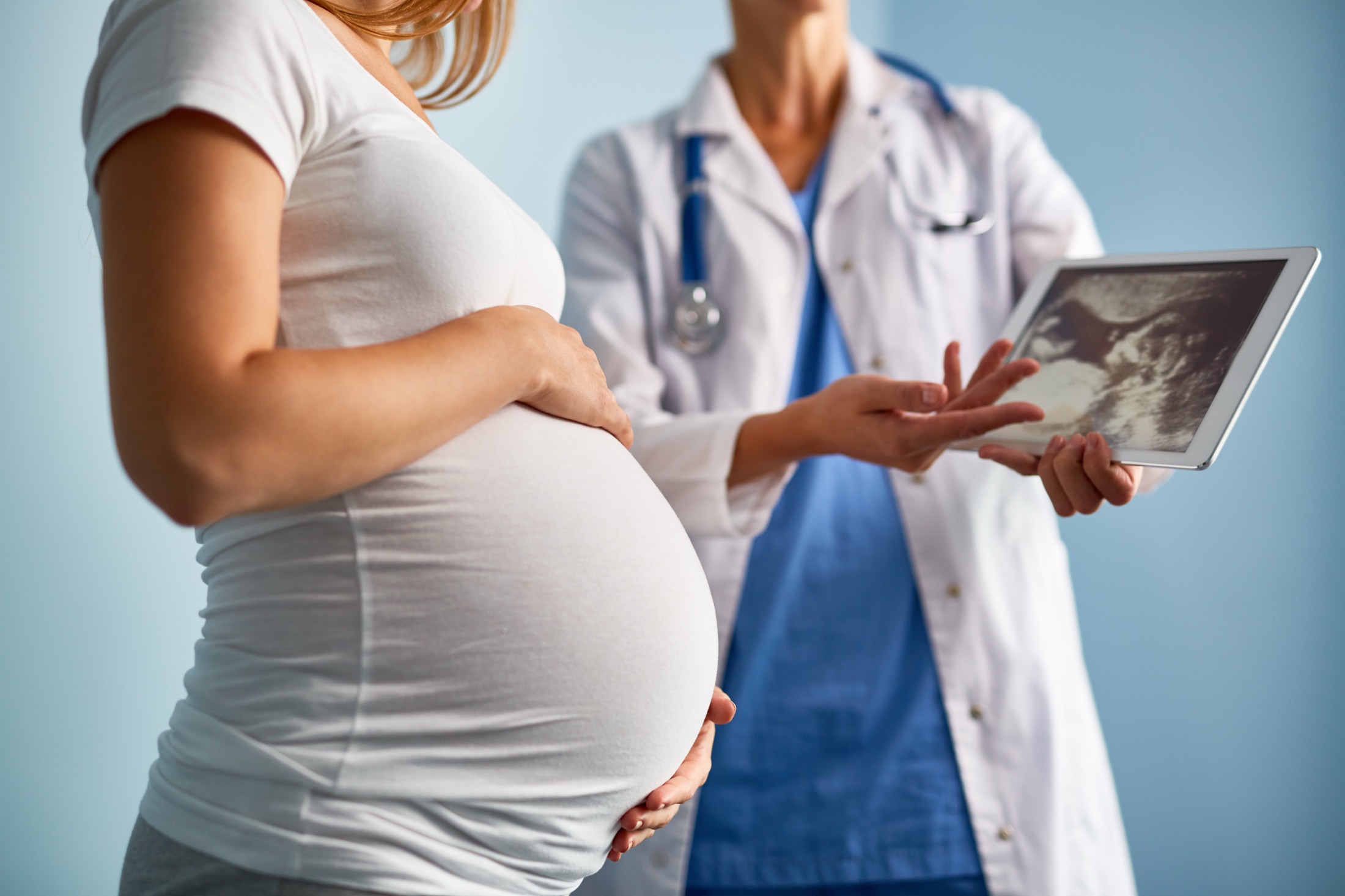
The WHO/HRP portal is meant to help researchers make inclusion the default earlier, not an afterthought once evidence gaps appear.
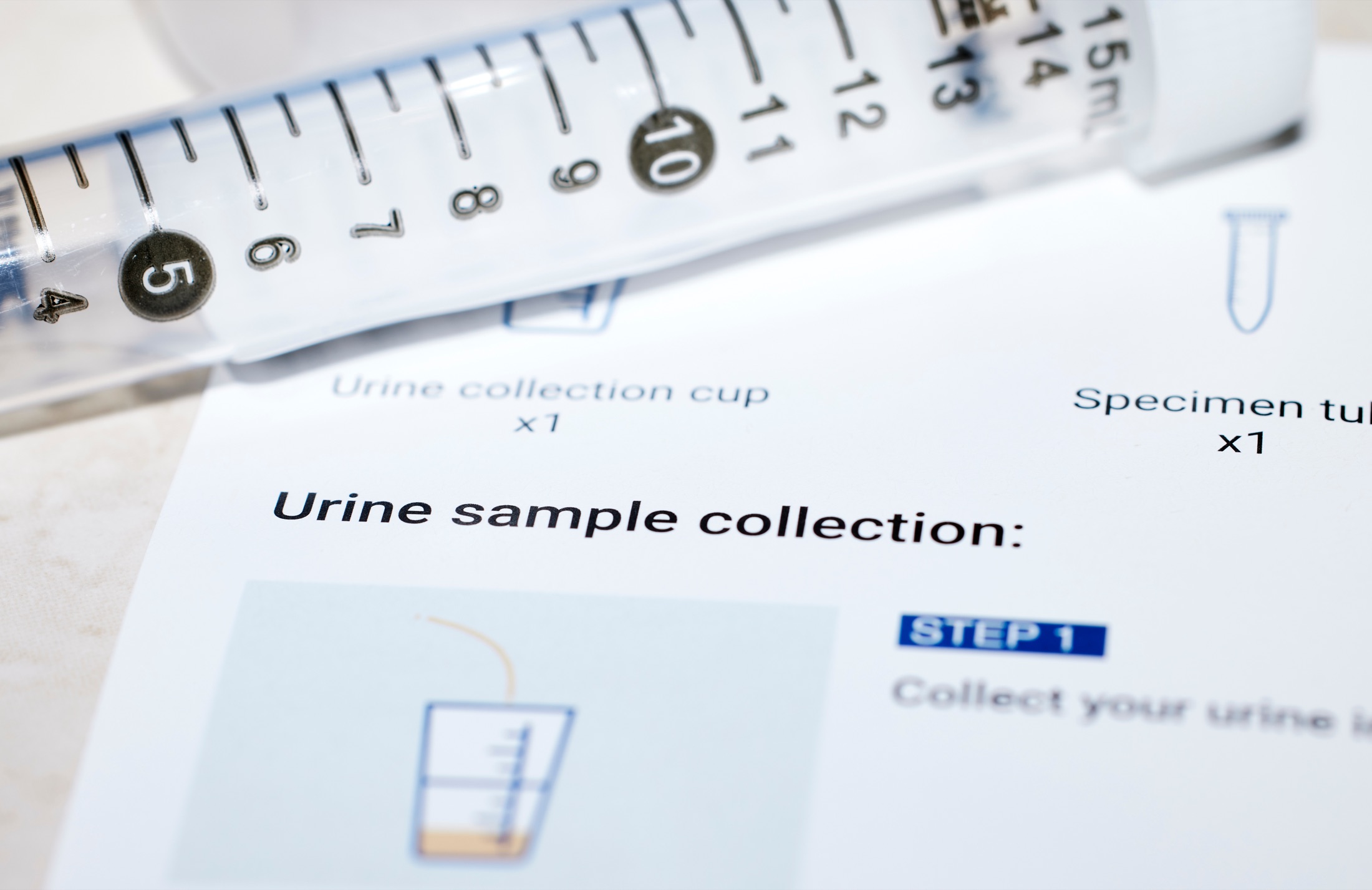
The classification gives molecular tests using home-collected specimens a special-controls pathway rather than treating each product as a one-off.
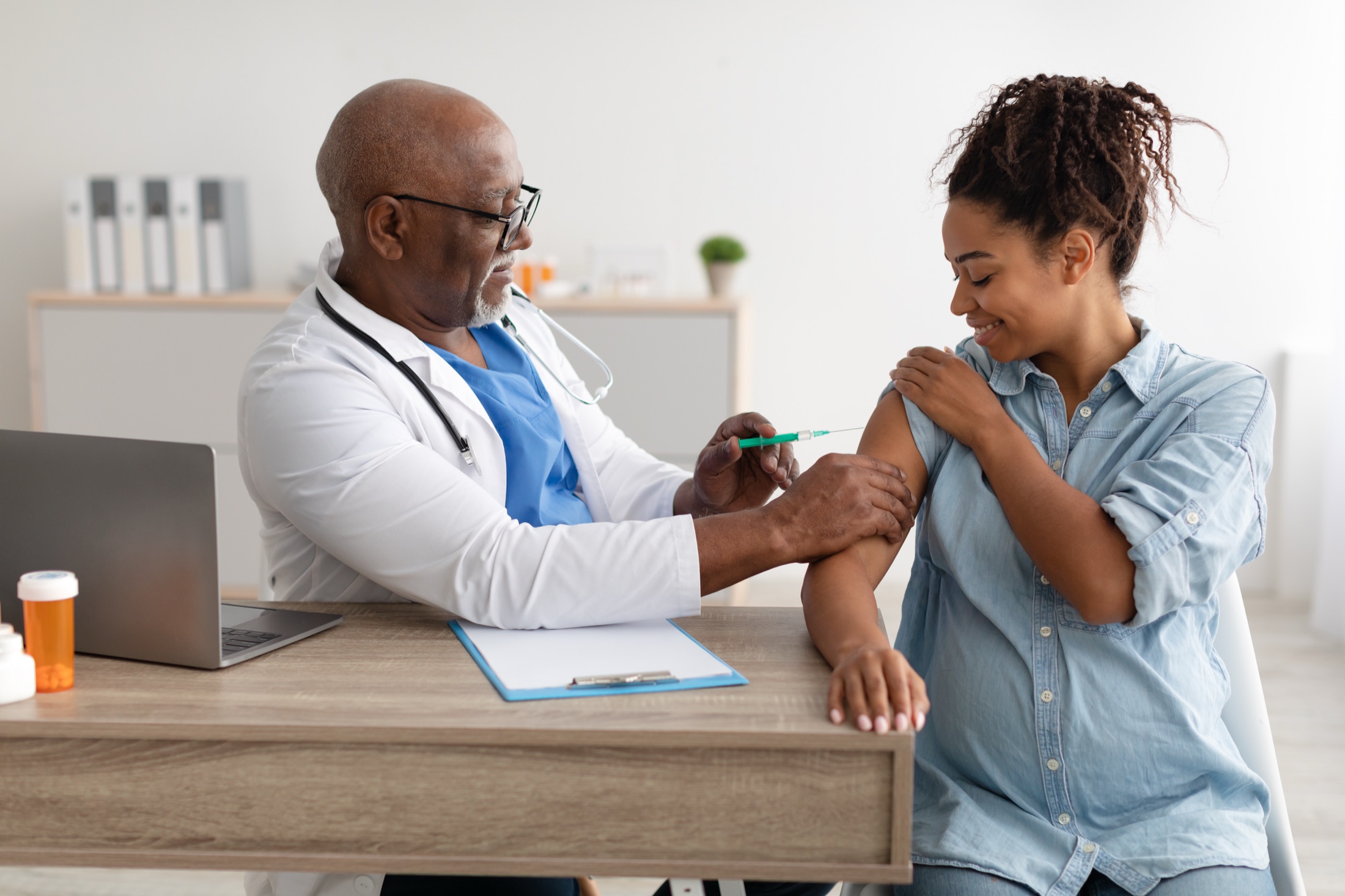
The JAMA Network Open cohort found a modest population-level association that was attenuated in sibling comparisons.

A BMJ Medicine study of 1.4 million women in England links several pregnancy complications with later cardiometabolic and renal diagnoses.
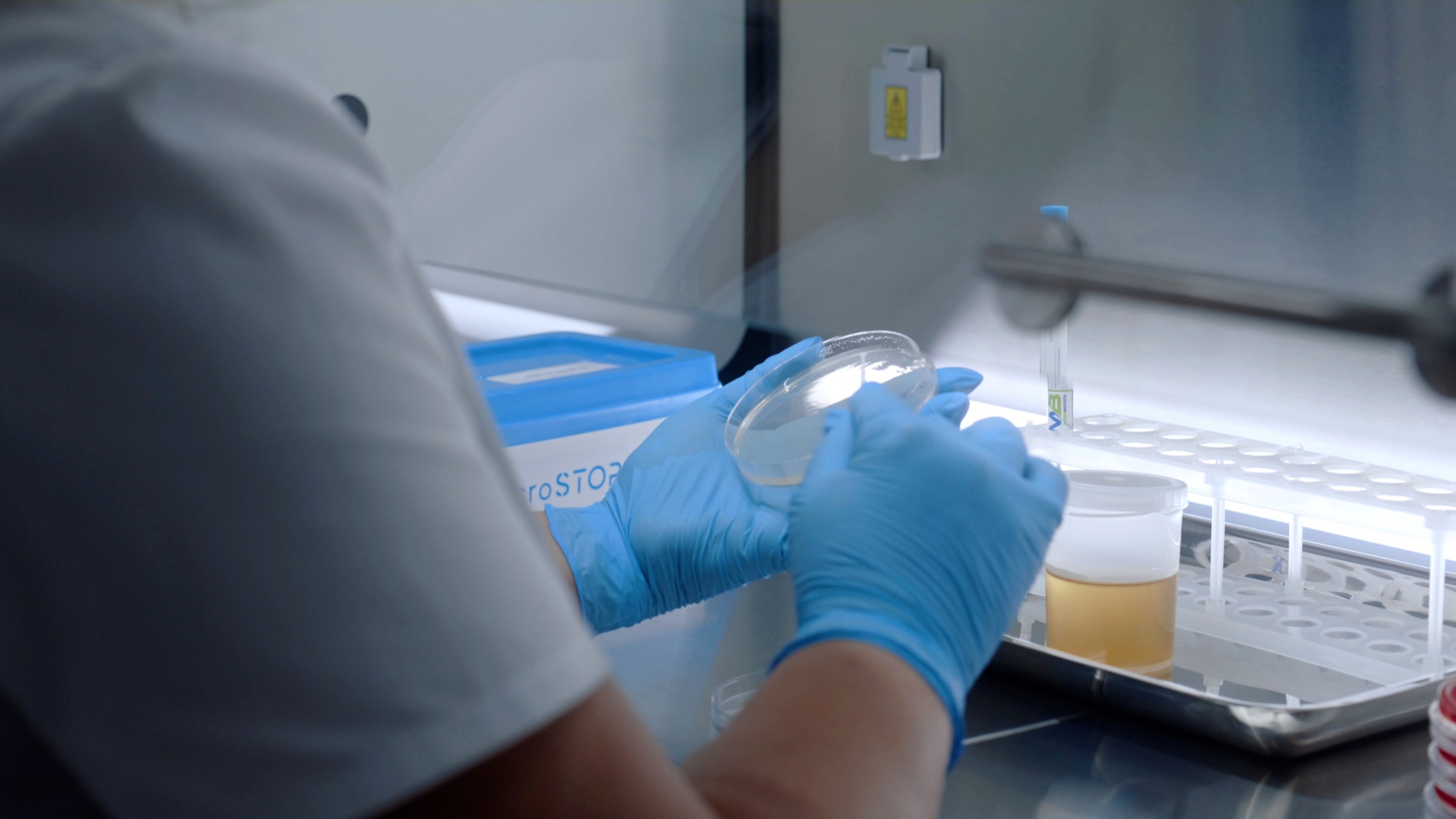
Nature Communications metagenomic data connect recent bacterial vaginosis and urinary tract infections with shifts in vaginal microbes and uropathogens.

The first state grants send $10 million each to Arkansas and Kentucky as the initiative tries to scale proven maternal-care models.
The company says the financing will expand access to its BIOTIA-ID Urine Test and support additional women’s-health diagnostics.

Healthy.Capital’s investment brings Flouria’s total funding to €1.5 million for growth in the Netherlands and future European expansion.
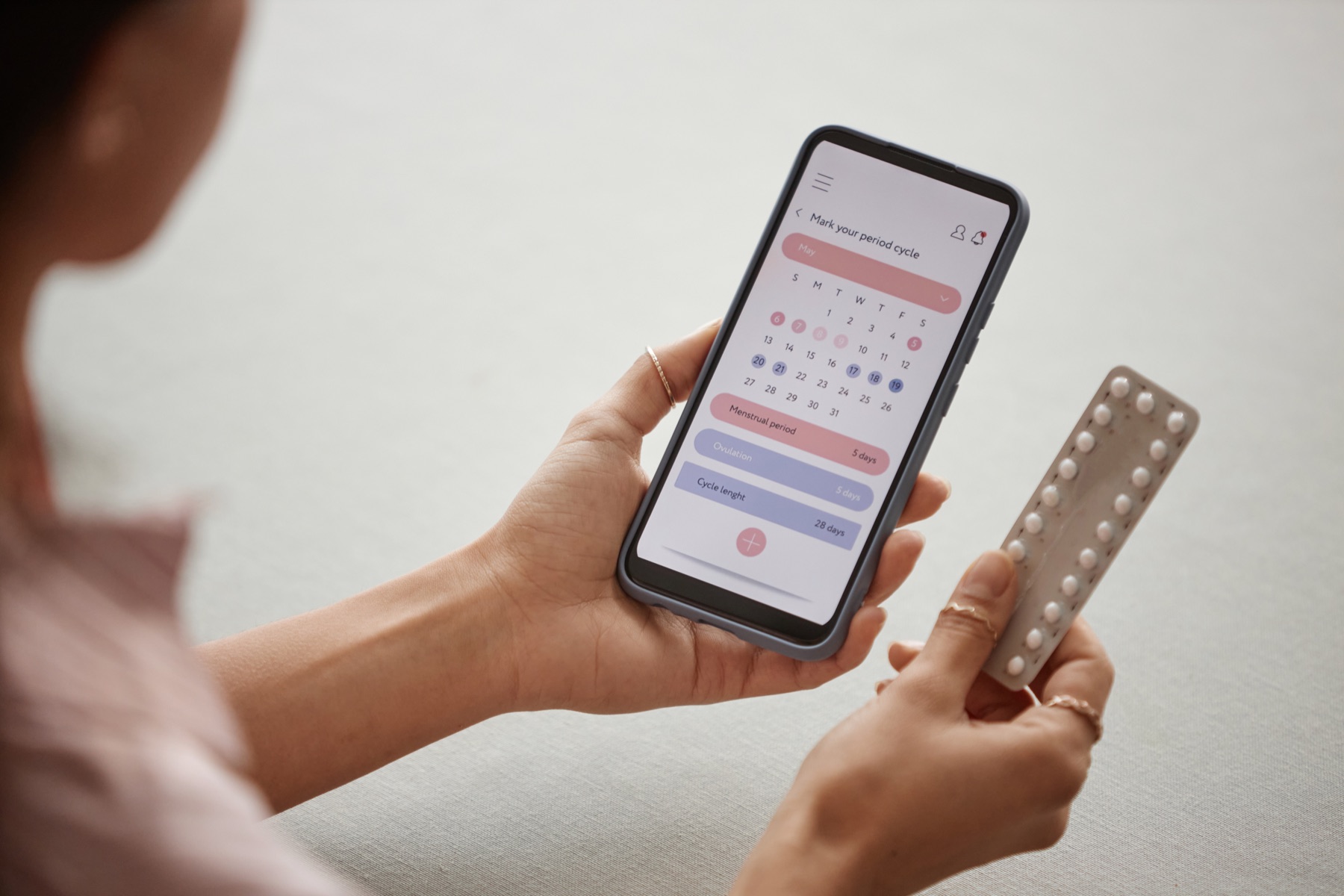
The scoping review seeks practice-based evidence from governments, civil society and implementers, not only peer-reviewed papers.
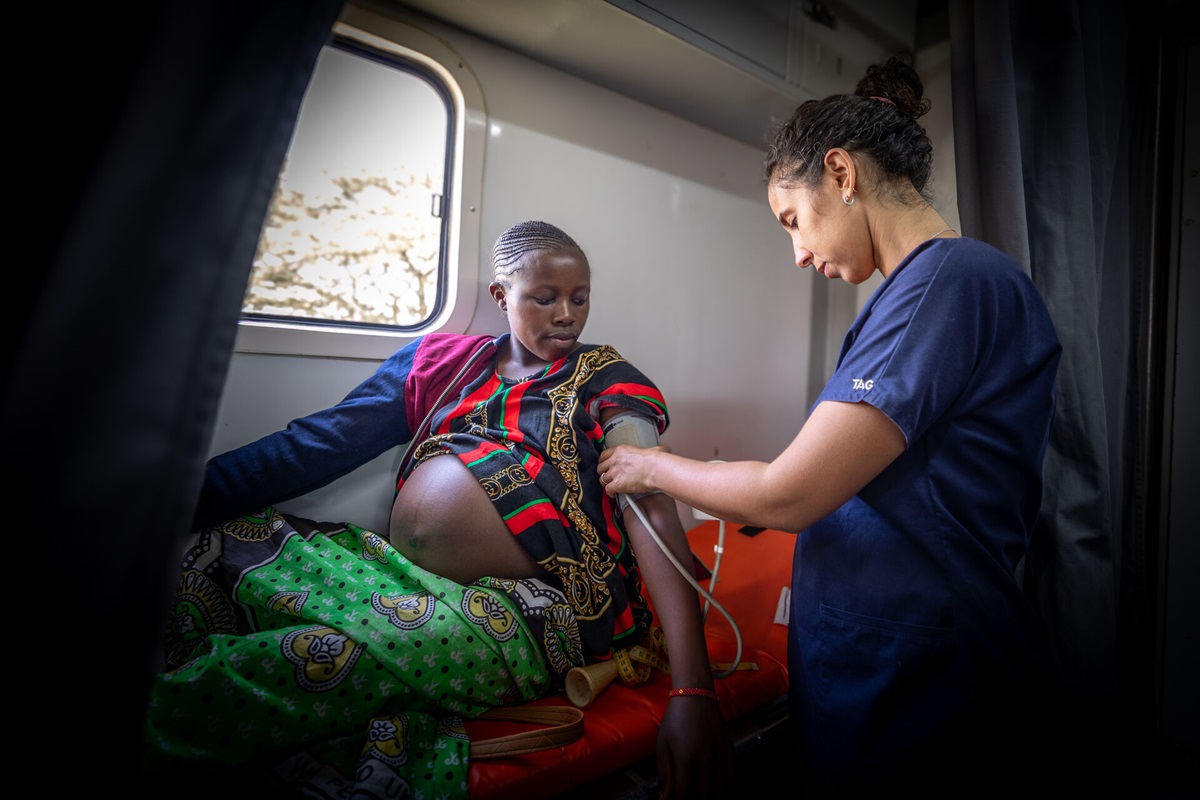
The global plan connects research, clinical standards, medicines, diagnostics and health-system delivery across the next decade.
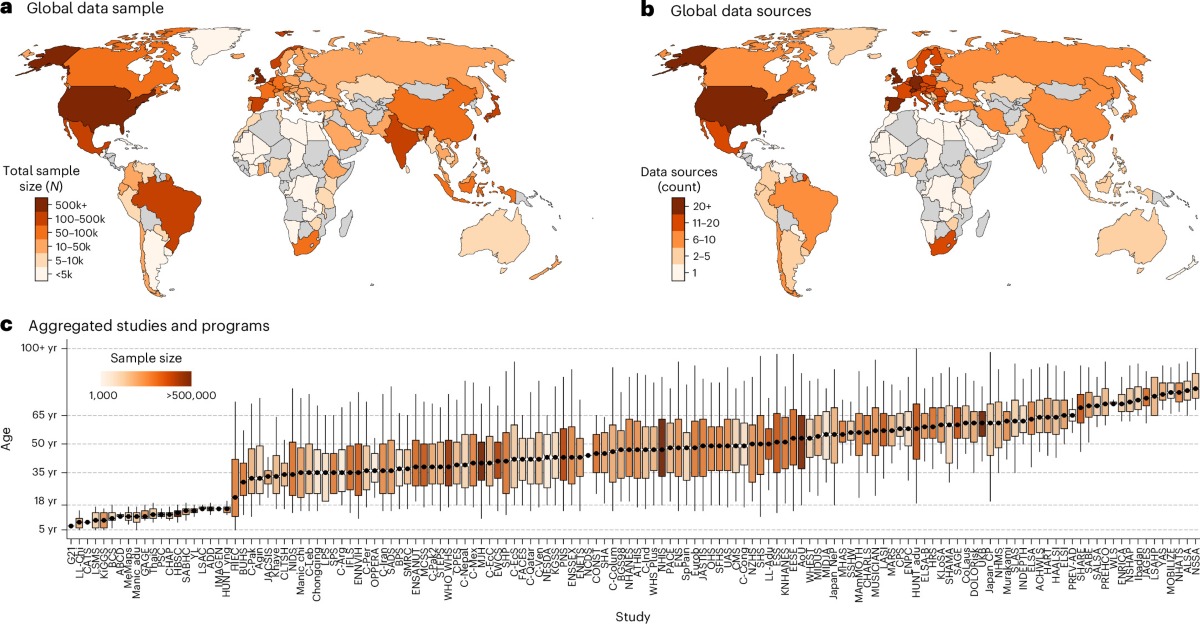
Nature Medicine reference curves show women reported higher pain prevalence than men across all 11 anatomical sites studied.

A new analysis estimates about 43 million girls aged 15–19 have experienced intimate-partner violence, non-partner sexual violence, or both.
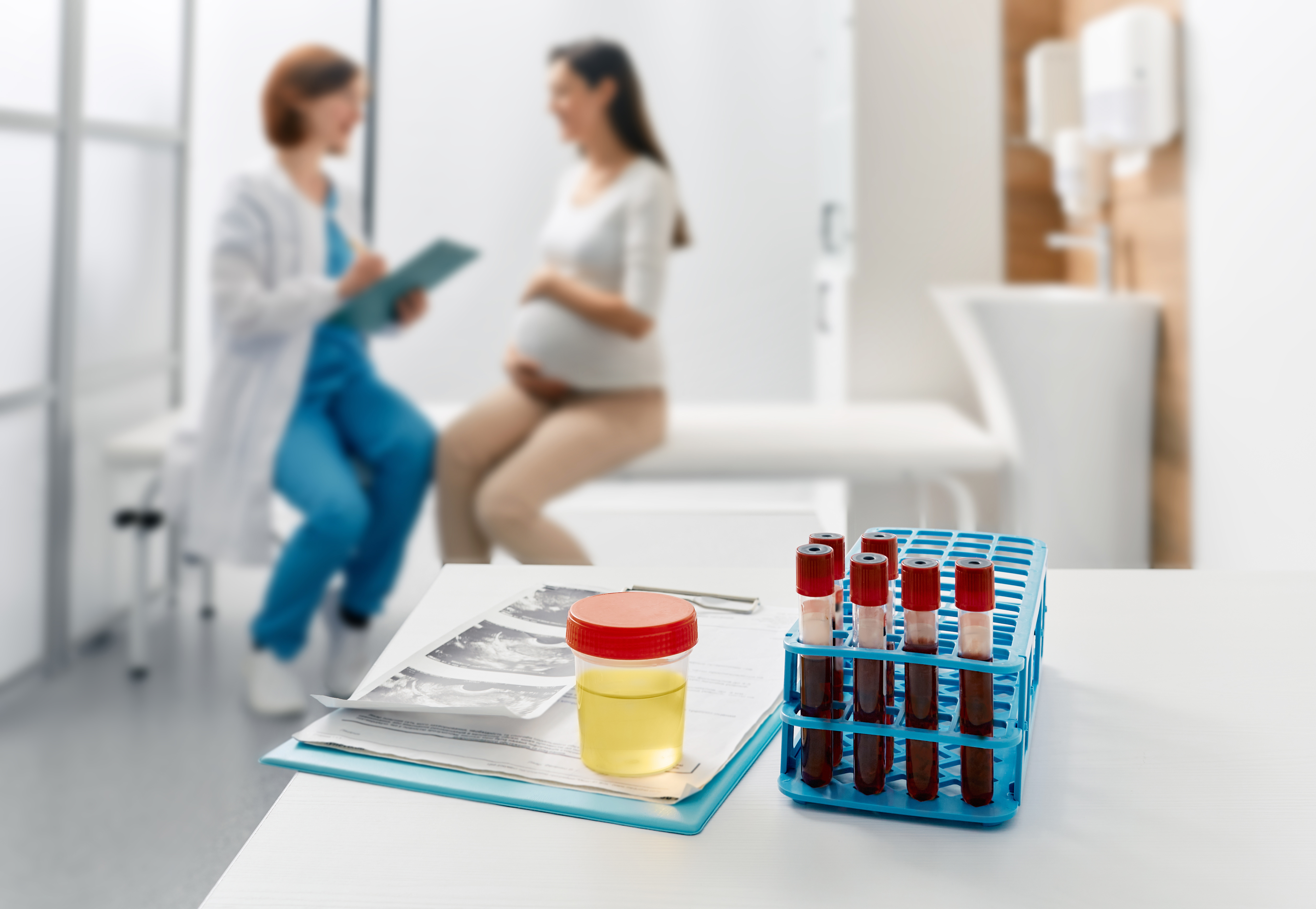
A Science Advances review argues NIPT technology has outpaced knowledge of how fetal DNA circulates in maternal blood.

A Lancet women’s-health study points to reinfection and persistent BV bacteria, while researchers test more tailored treatment strategies.
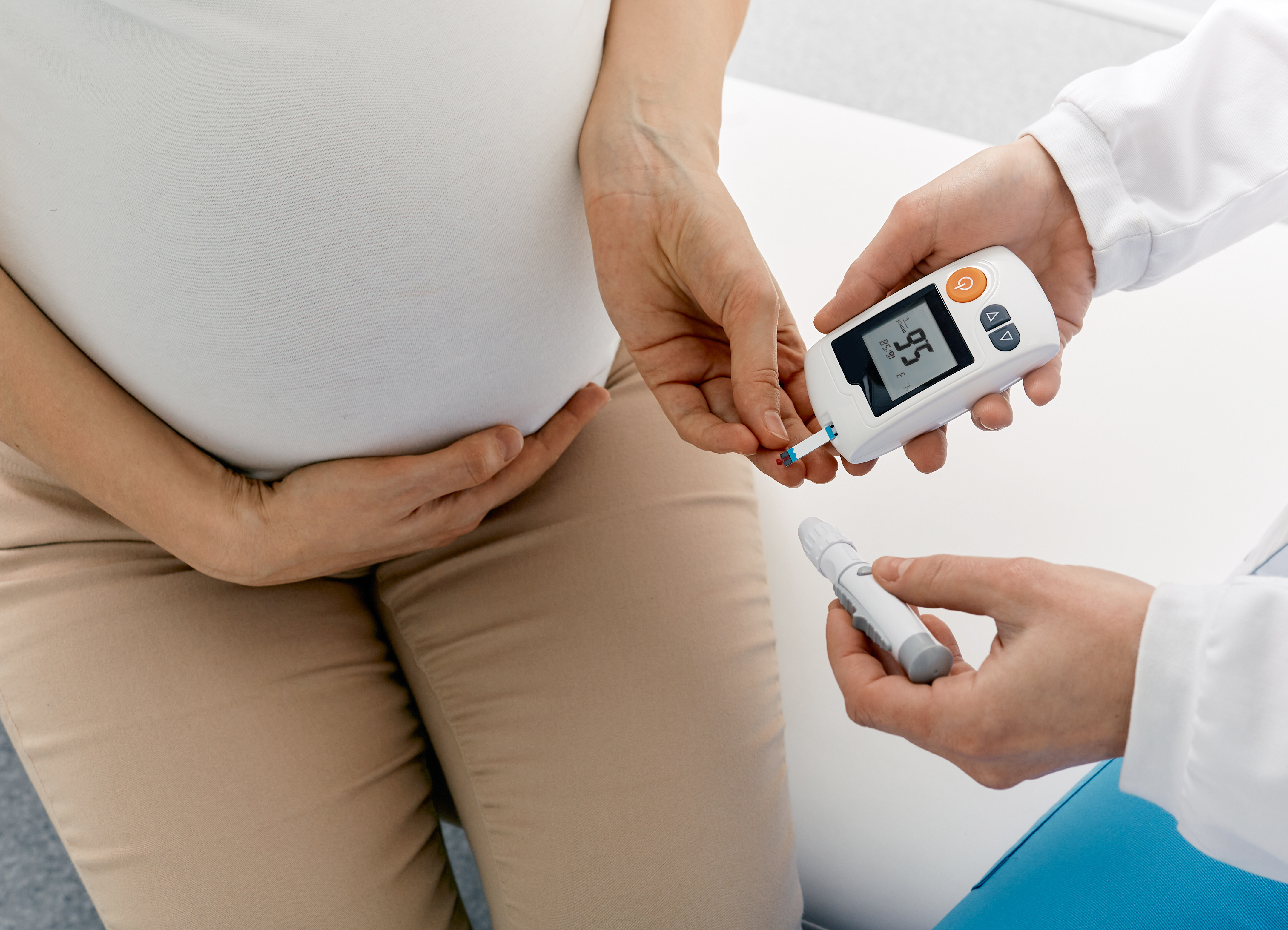
A Lancet review found no clear signal of major harm in most women with diabetes, while experts warned against reading that as proof of safety.

The supplemental application concerns vasomotor symptoms linked to endocrine therapy; priority review shortens the review goal but is not approval.
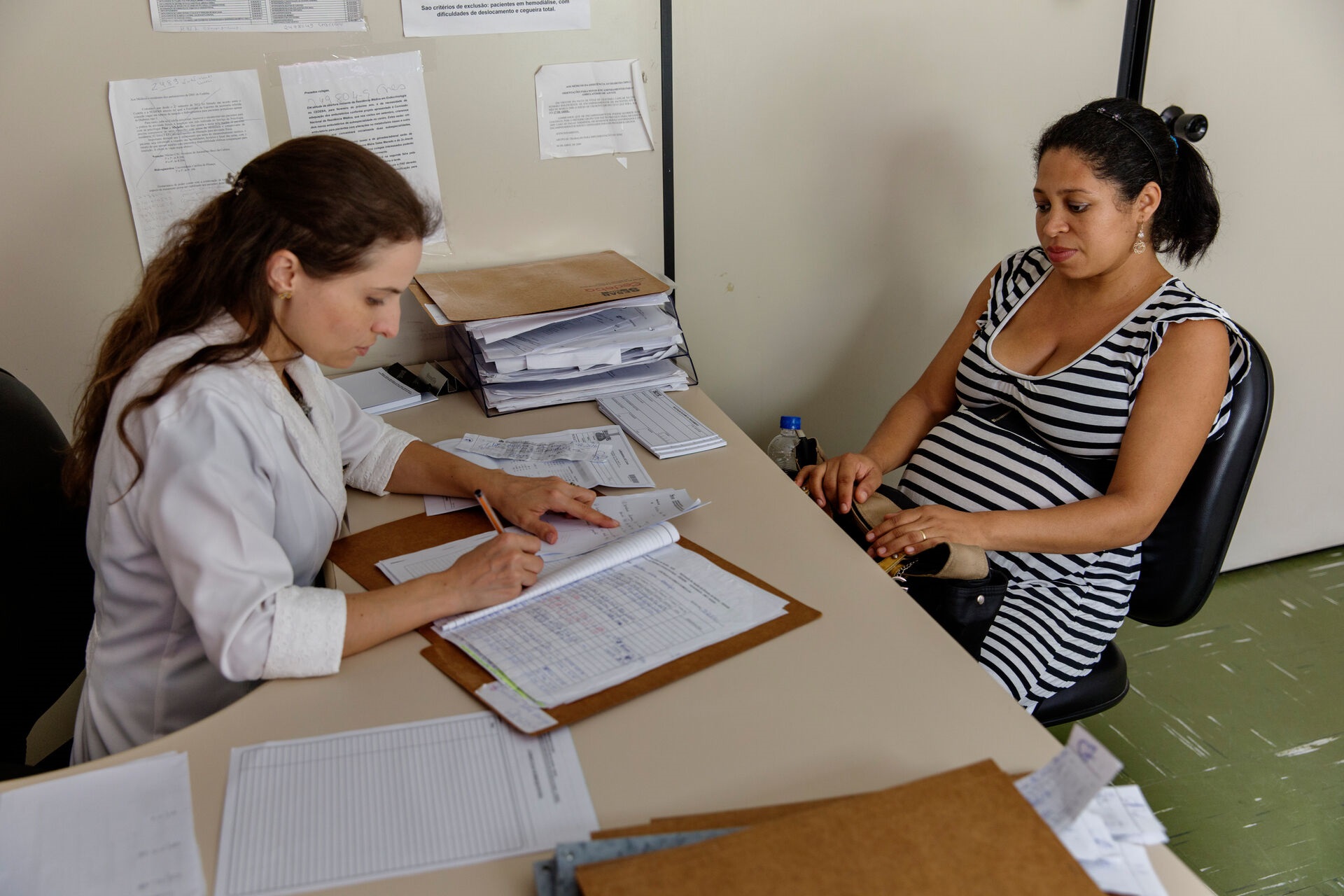
A guideline group will review evidence on screening, diagnosis and classification later this month.

The proposed STORYLINE study would test ABS-201 in about 150 participants, subject to protocol finalization and regulatory clearance.
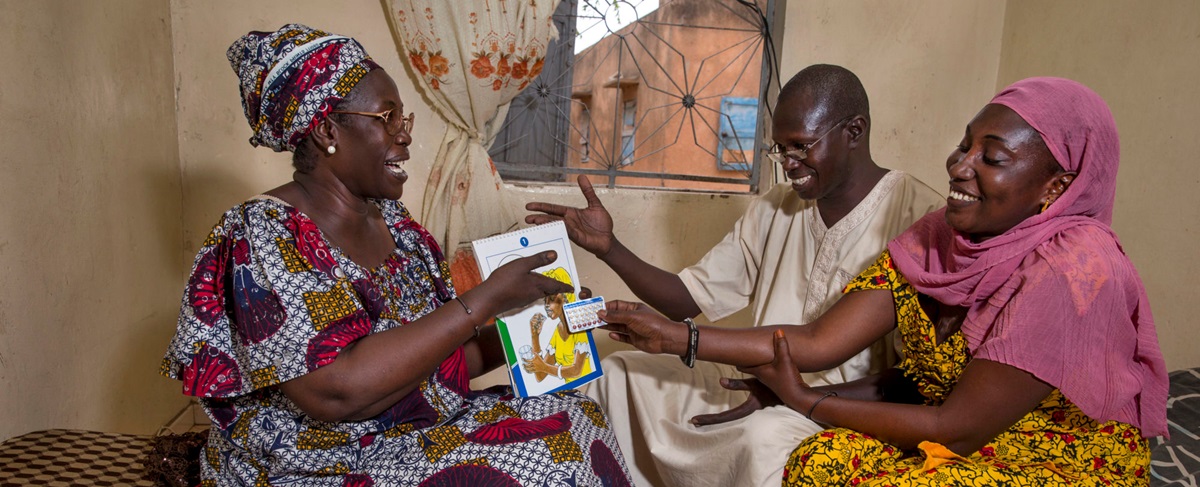
The update adds longer-use options for some existing methods and WHO’s first target product profile for new male contraceptives.

The company says the Series A will expand payer, health-system and employer access before broader insurance coverage begins in 2027.
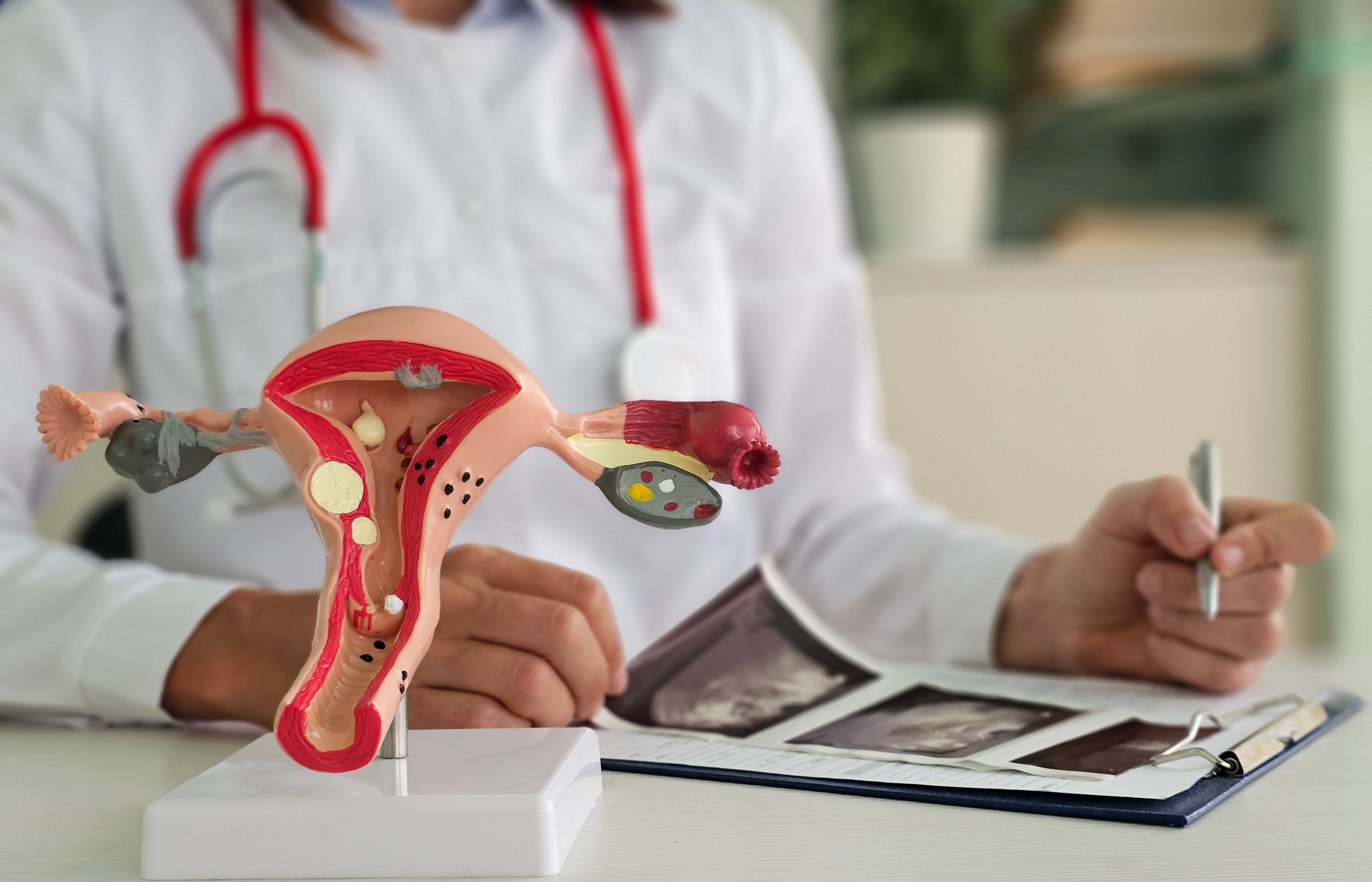
The early framework combined MRI and ultrasound learning to detect signs of advanced disease, but it is not ready to replace clinical validation.

Six awards will build computational models from human data to study how hormones change across people, tissues and life stages.
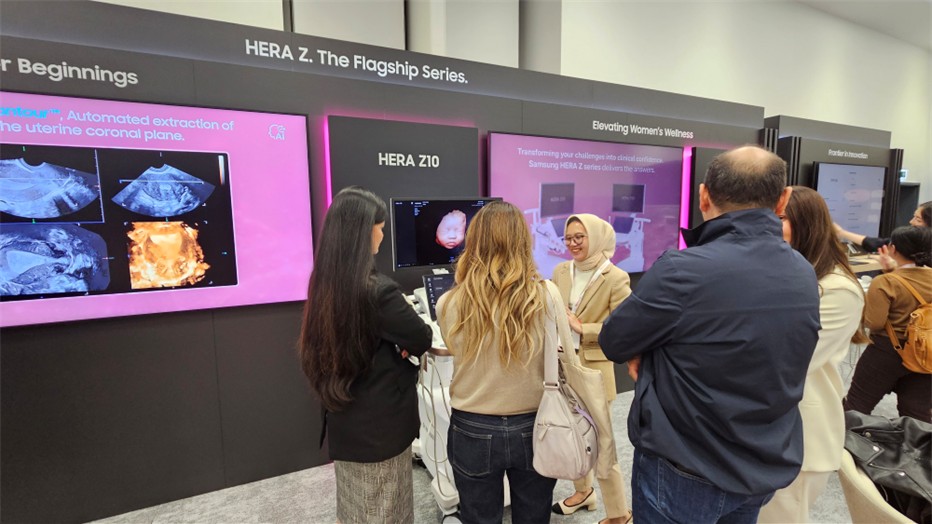
The HERA Z10 combines automated fibroid mapping, three-dimensional microvascular imaging and workflow features for obstetric and gynecologic scans.

A UCL commentary argues that apps, wearables, at-home tests and telehealth need stronger clinical validation and clearer integration into care.

The Gates Foundation-backed program will search for proteins, biomarkers and therapeutic targets; it is discovery funding, not a treatment milestone.

Company-reported Phase 2 results in 92 postmenopausal participants support further study, but are not yet a regulatory decision or peer-reviewed confirmation.
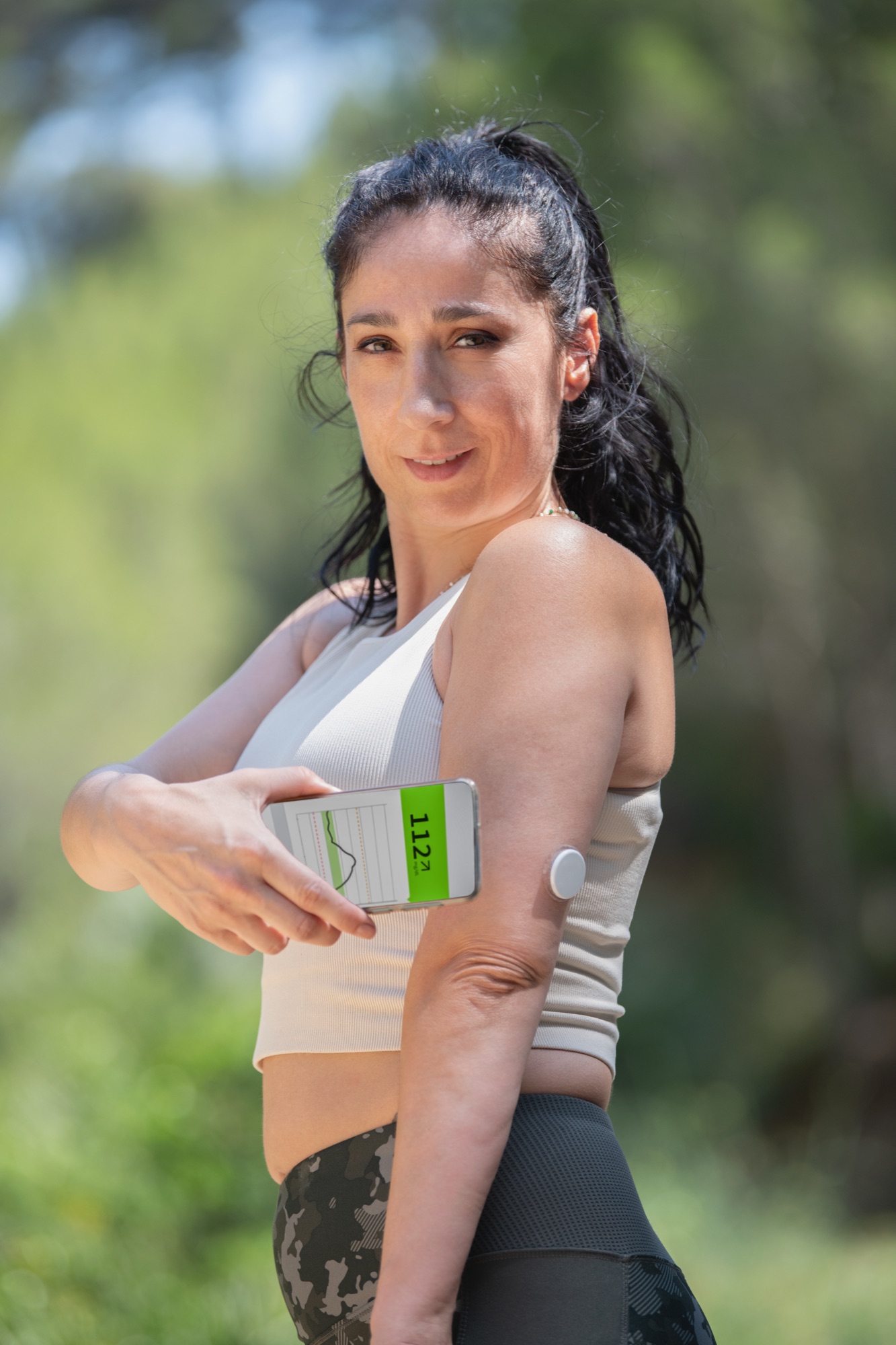
The retrospective analysis found an association with type 2 diabetes, particularly before menopause, but cannot show that endometriosis causes diabetes.

A refreshed federal hub brings together small-business funding, data resources and research programs spanning the female life course.
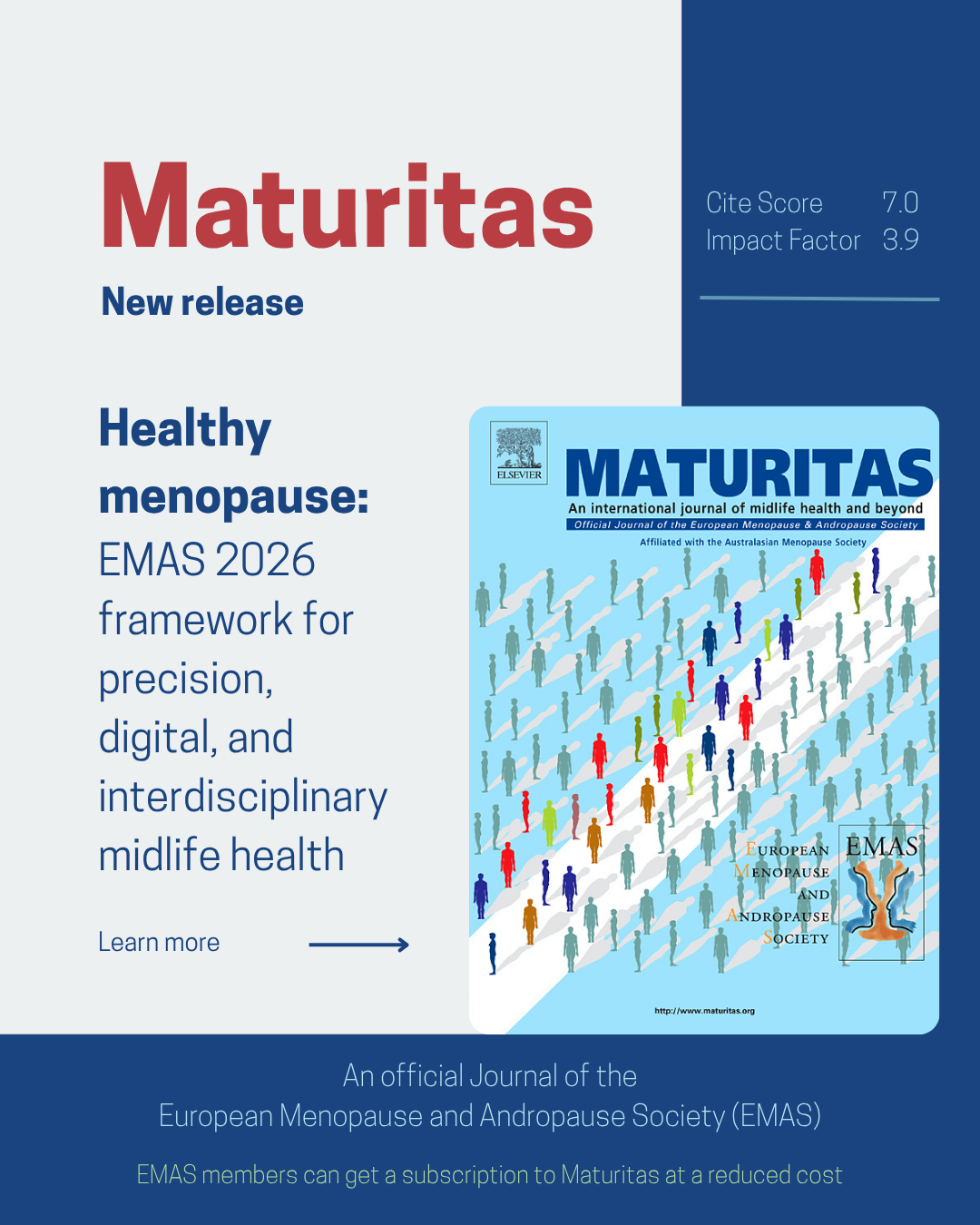
The 2026 framework combines prevention, personalized treatment, digital monitoring and cross-specialty care—but it is a position statement, not a clinical trial.

The Claria System received De Novo authorization for contained tissue reduction during laparoscopic hysterectomy in a limited patient population.

The national model links pelvic pain, perimenopause and menopause support through existing multidisciplinary services.

The proposed model puts access, regulation, representation and health-system fit alongside product growth.

The tool is part of a wider digital-innovation program intended to make trusted SRHR guidance easier to find and use.
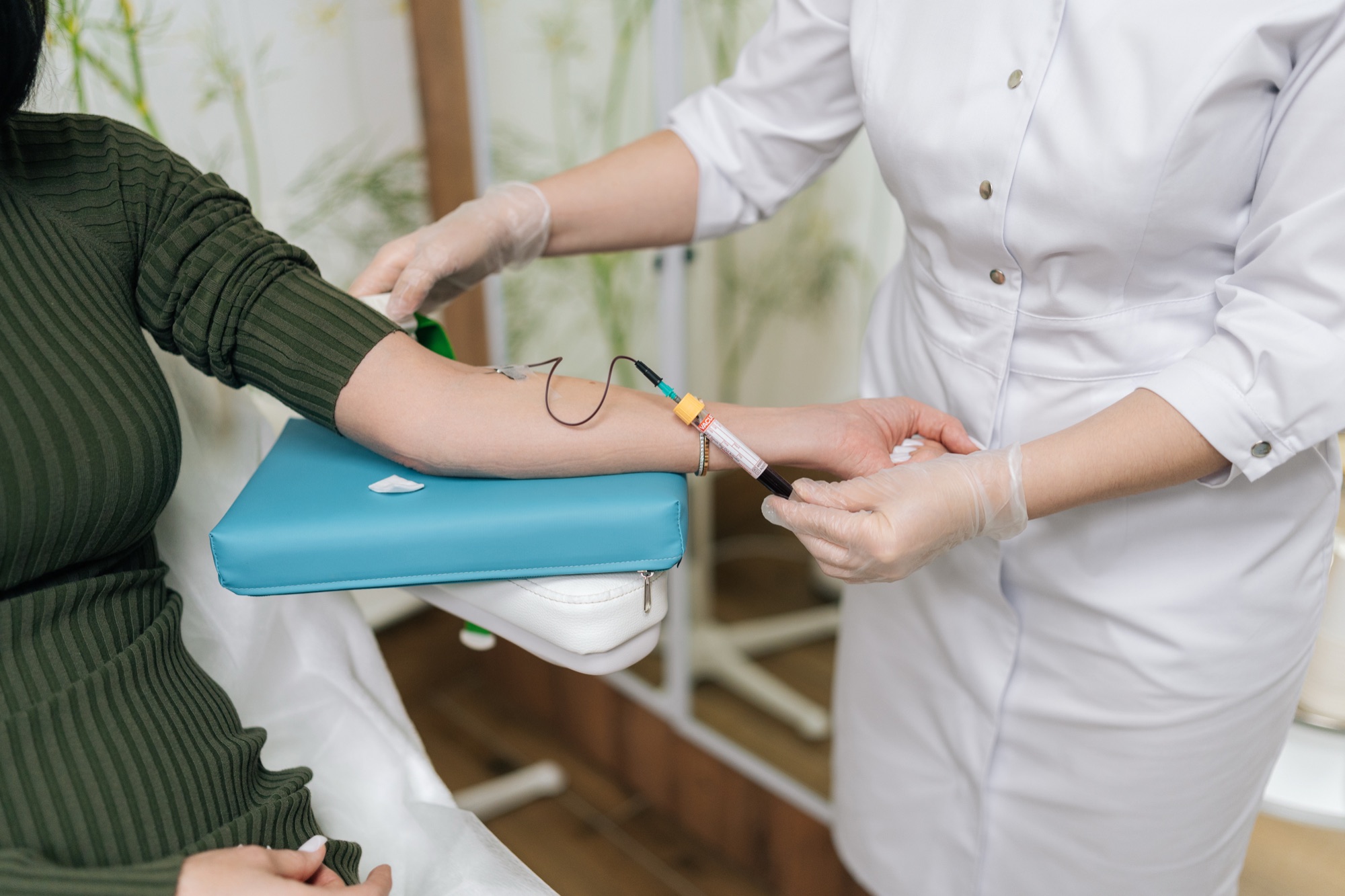
The non-invasive endometriosis test can be marketed in the EU, while US use remains research-only and independent clinical validation is still limited.
FDA clearance of an investigational application allows a planned Phase 1 study to proceed; it is not approval of the treatment, and no human efficacy data have been reported.
Year
18 news publications

The generic version of Imvexxy adds another potential access route for painful sex associated with menopausal vulvar and vaginal atrophy.

Forty recommendations address prevention, diagnosis, staged treatment, psychosocial support and the affordability of fertility care.

The agency said it would ask manufacturers to revise several class-wide risk statements while retaining the endometrial-cancer warning for systemic estrogen used alone.
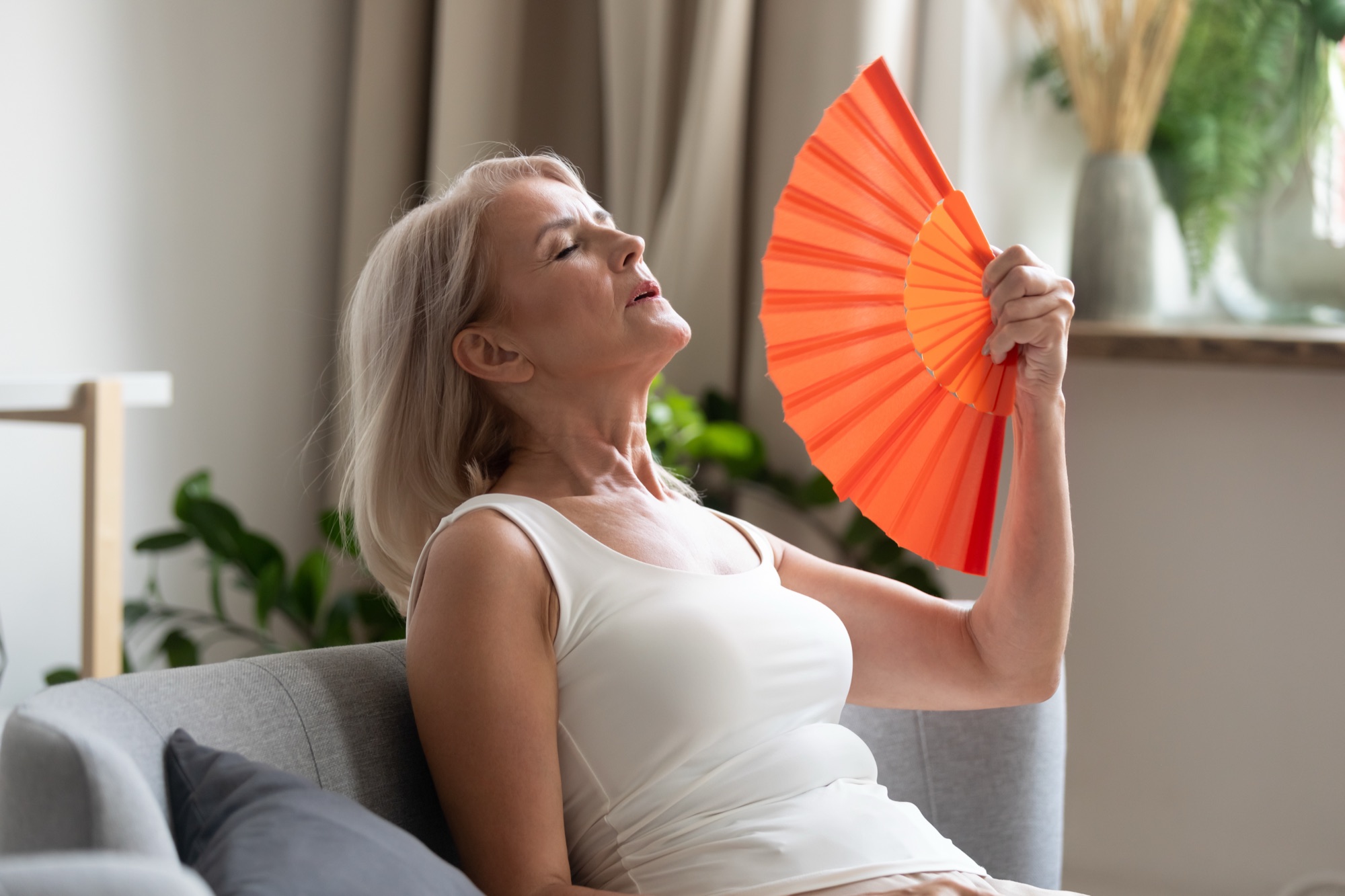
Lynkuet, or elinzanetant, was approved for moderate to severe vasomotor symptoms using evidence from three phase 3 studies.
Abbott’s Alinity m HR HPV assay can use a self-collected sample when cervical collection is contraindicated or otherwise cannot be obtained.
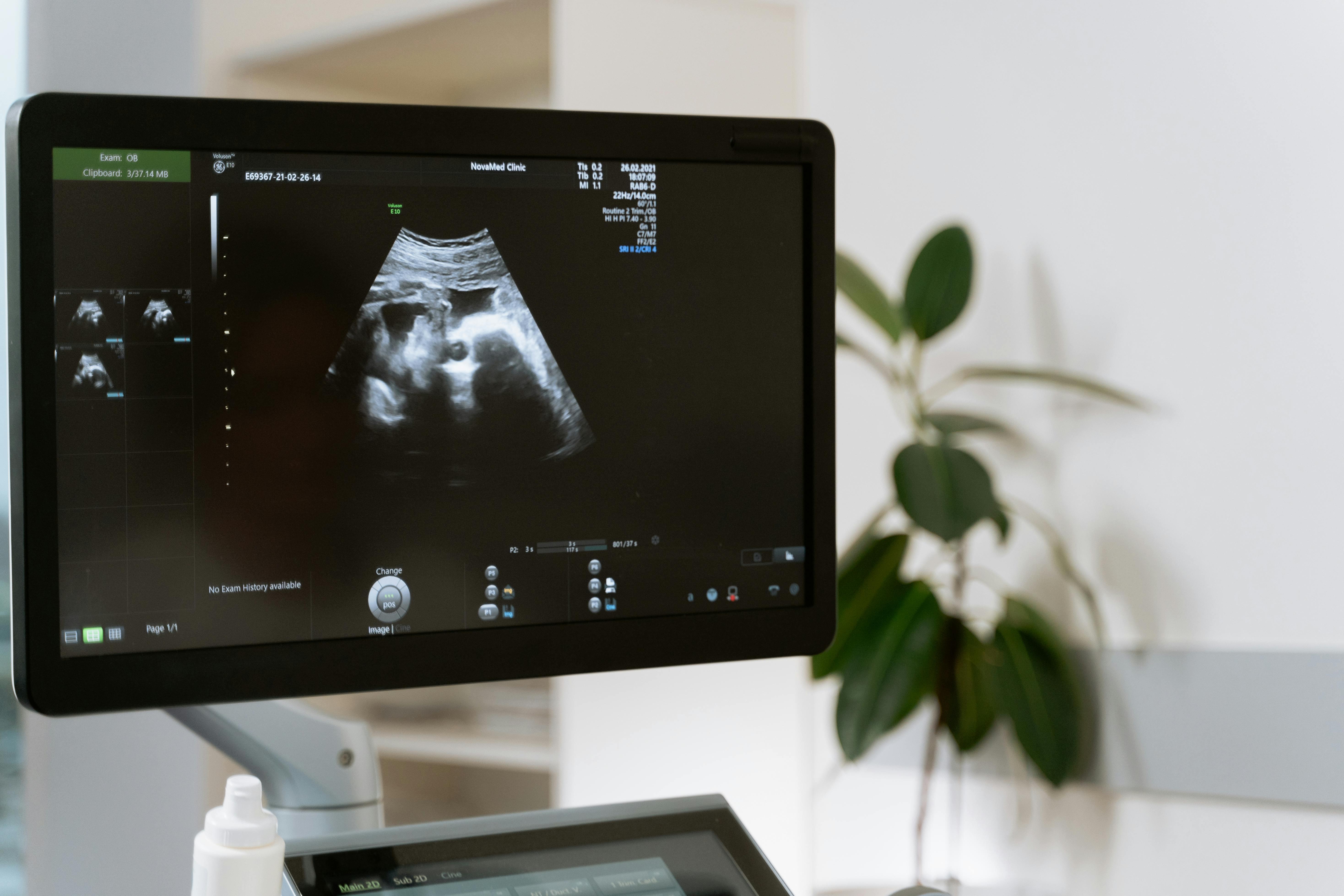
InsideHer’s September 2025 report on Prenaital, ultrasound analysis and BioInnovation Institute funding.

Chelsea FC Women and Here We Flo put menstrual stigma on the pitch in their September 2025 campaign.

InsideHer’s September 2025 report on Portfolia’s investment in Gameto and its fertility technology.
The original InsideHer roundup of women’s health funding, companies and research in August 2025.

The five-year commitment targets more than 40 innovations across maternal, menstrual, gynecological and sexual health, with an emphasis on lower-resource settings.

The standards package translates pregnancy self-care guidance into workflows and data requirements that health systems and software teams can implement.

A new toolkit translates clinical guidance into adaptable messages for digital services, social platforms and conversational tools.

The Teal Wand created a new US device category for self-collecting and transporting vaginal samples for an approved HPV assay.

More than 300 recommendations are now available through MAGICapp with links to the evidence behind them.
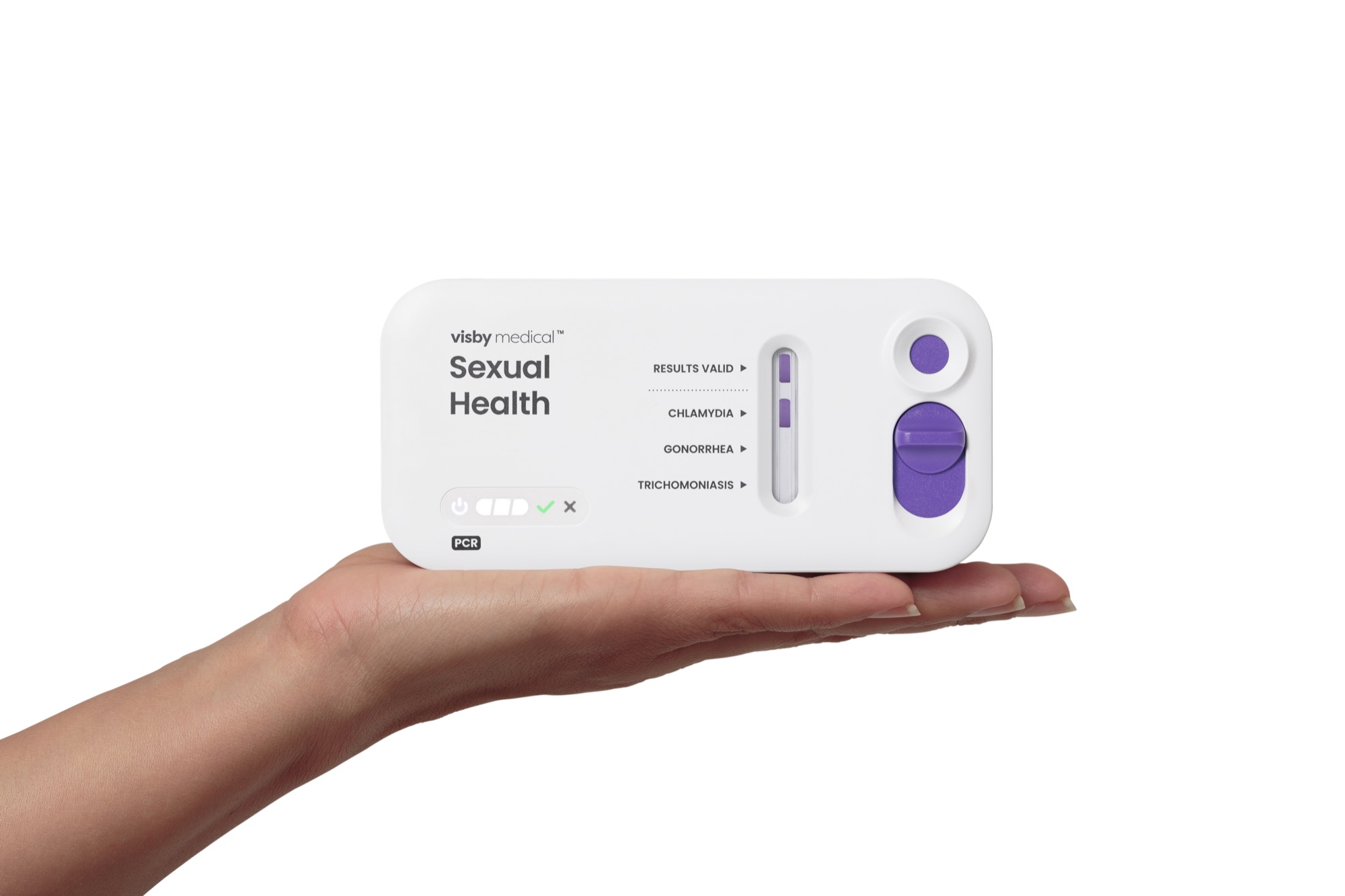
Visby Medical’s over-the-counter test detects chlamydia, gonorrhea and trichomoniasis from a self-collected vaginal swab in about 30 minutes.

The national package combines medicine subsidies, longer consultations and an expanded clinic network rather than treating each gap separately.
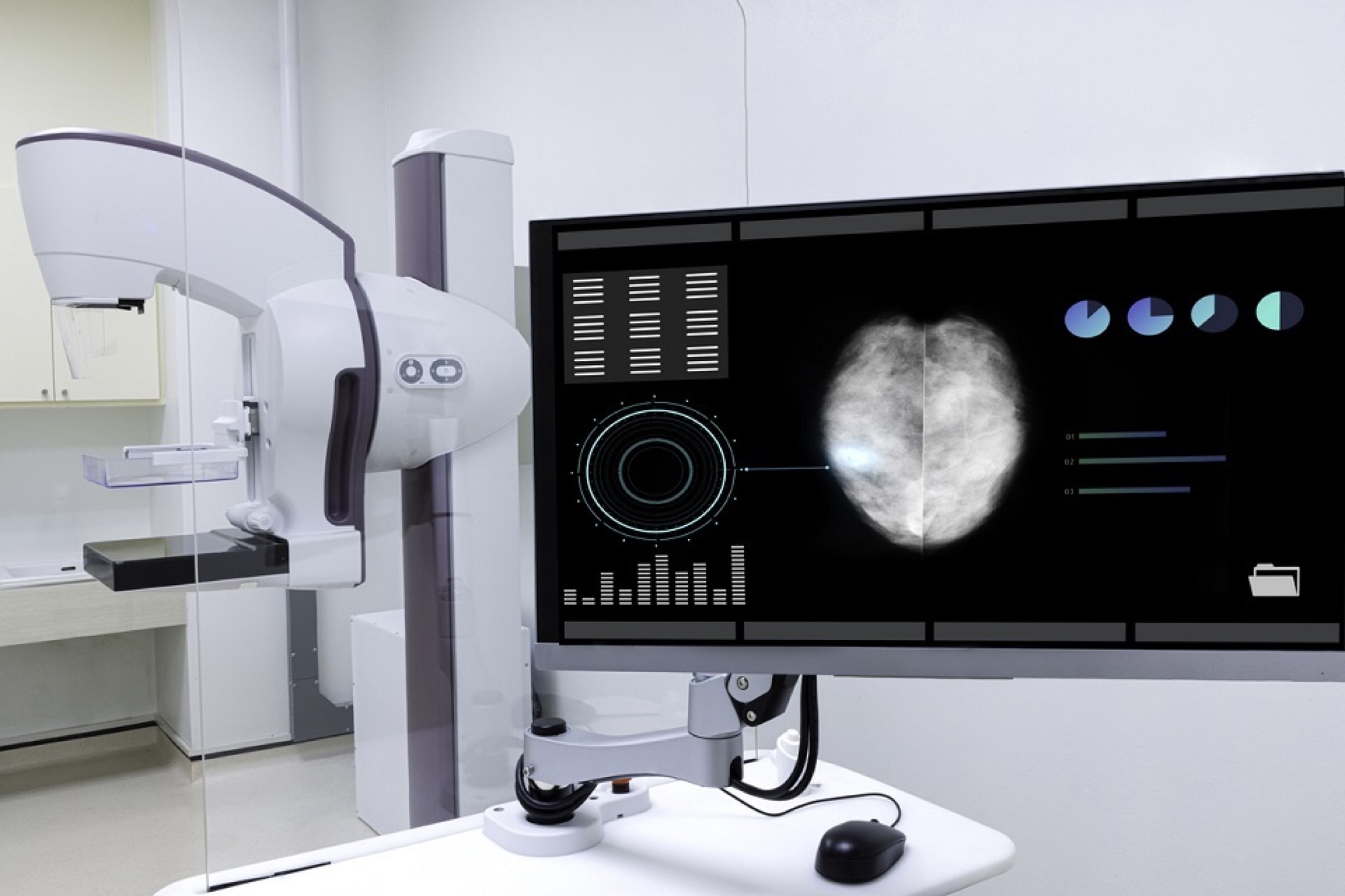
The EDITH trial will assess whether AI can support radiologists in routine mammography without weakening screening safety.
The fertility-focused biopharma company said its Series A+ would advance existing programs and explore additional reproductive-health assets.