What happened
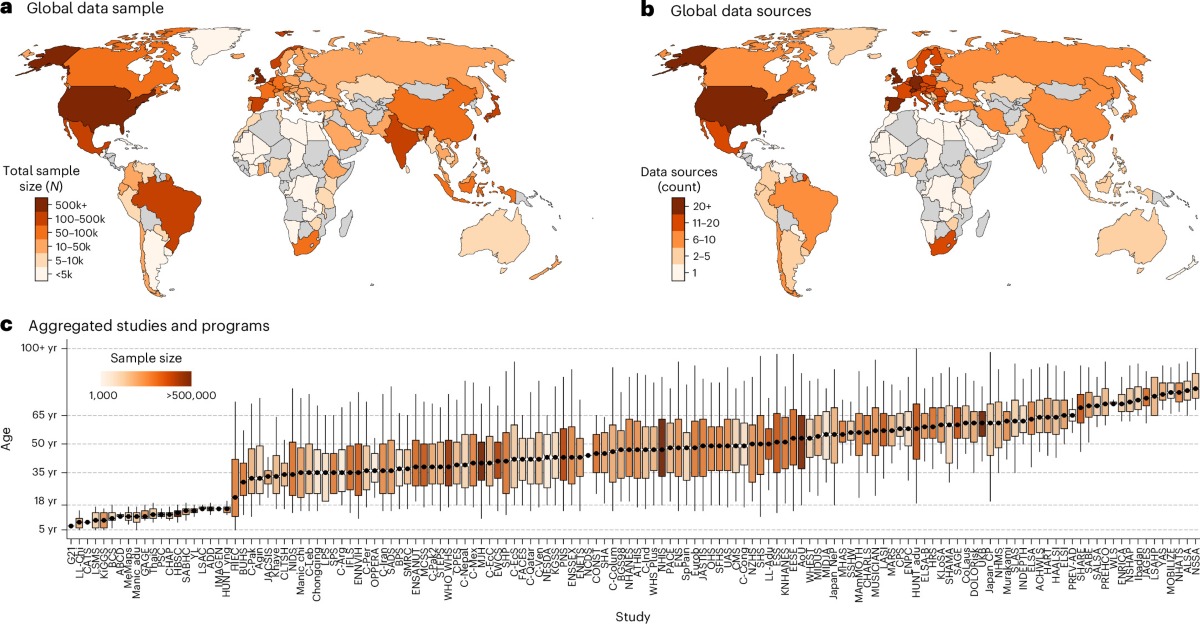
Researchers pooled individual-level pain data from 6,125,459 people in 118 countries and territories between 1990 and 2025 to model age- and sex-specific pain prevalence by body site. Women reported higher prevalence than men across all 11 pain sites studied.
Why it matters
Pain is often normalized or dismissed, especially in women. Global reference curves can help researchers and health systems compare local data with wider patterns, but self-reported survey data cannot explain why differences occur or prove how care should change.
What to watch
Country-level deviations, use in public-health planning, links to undertreatment and research separating biological, social and care-access drivers of the observed sex differences.