What happened
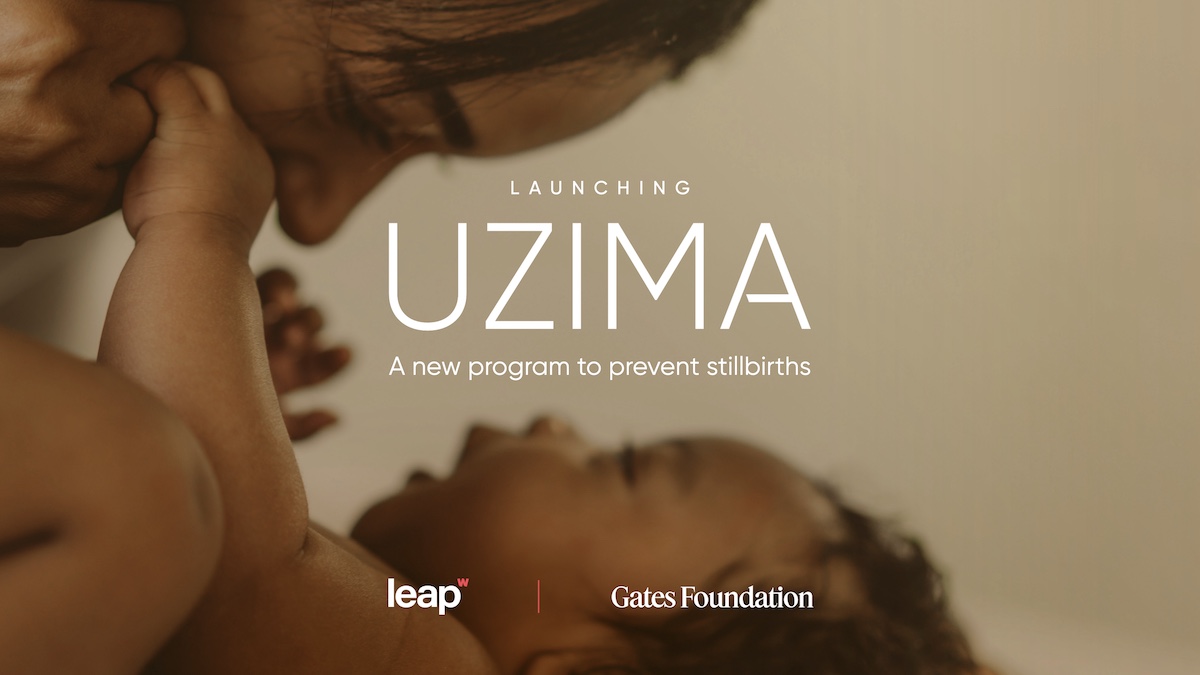
The Gates Foundation and Wellcome Leap have announced Uzima, a stillbirth-prevention programme backed by a combined $100 million over its first three years. The initiative aims to demonstrate that stillbirth rates can be halved over a decade in selected countries. That is a programme goal, not an outcome already achieved.
“Stillbirth is not an inevitable tragedy.”
From promising tools to functioning care
Each organization will contribute $50 million. Work will begin with partners in sub-Saharan Africa, considering earlier risk detection, monitoring during labour and support for clinical decisions. The programme expects to identify an initial package of innovations by early 2027.
A burden that often stays out of view
UNICEF’s global estimates place stillbirths at around 1.9 million in 2023, counting babies born with no signs of life at 28 weeks of pregnancy or later. Its data also shows large differences between countries and points to the importance of care during pregnancy and childbirth.
The funding is significant because prevention requires more than a promising device. A test must connect to staff who can interpret it, a referral that can be completed and care that a family can reach. Evaluation needs to examine that complete pathway, including where it breaks down and who remains excluded.
Why it matters
Stillbirth causes profound loss for families and deserves sustained attention within maternal and newborn care. A programme that tests implementation alongside technology could generate useful evidence for health systems. Accountability should include how families and local clinicians shape priorities, not simply how many innovations enter a portfolio.
What to watch
Participating countries, selected interventions, evaluation methods and access commitments. Results should distinguish stillbirth from neonatal death, state the definitions used and report unintended consequences. The announcement is a programme commitment; it does not set out a general startup application window or guarantee a particular product will be funded.