What happened
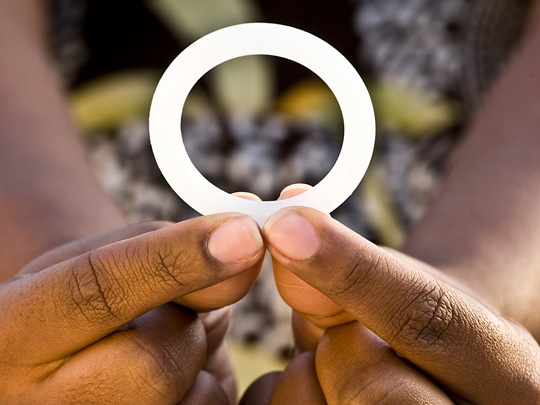
The European Medicines Agency’s human medicines committee backed a 100 mg dapivirine vaginal ring at its November meeting. It is designed for replacement every three months, extending the monthly interval of the existing option.
What changed
The European Medicines Agency’s human medicines committee backed a 100 mg dapivirine vaginal ring at its November meeting. It is designed for replacement every three months, extending the monthly interval of the existing option.
The positive opinion concerns prevention of HIV-1 acquired through vaginal intercourse in women aged 16 and older. WHO and regulators from Kenya, South Africa and Zambia participated in the assessment.
What happens next
The assessment used a pathway supporting medicines intended for countries outside the European Union. National decisions and supply arrangements will determine where the ring becomes available.
InsideHer’s editorial view is that a longer replacement interval could make prevention easier to fit into daily life. Affordability, choice and reliable access will determine its practical value.
Why it matters
A quarterly replacement schedule could make sustained HIV prevention more convenient.
What to watch
National approvals, pricing and availability.