What happened
A sham-controlled randomized trial in breast-cancer survivors with genitourinary symptoms found no additional 12-month benefit from fractional vaginal carbon-dioxide laser treatment. Eighty-four participants were randomized and 67 completed follow-up. Both groups also received moisturizers, lubricants and a vibrator, and both reported improvement; laser did not outperform sham on sexual function, pain during sex or the measured vaginal outcomes.
The comparison matters
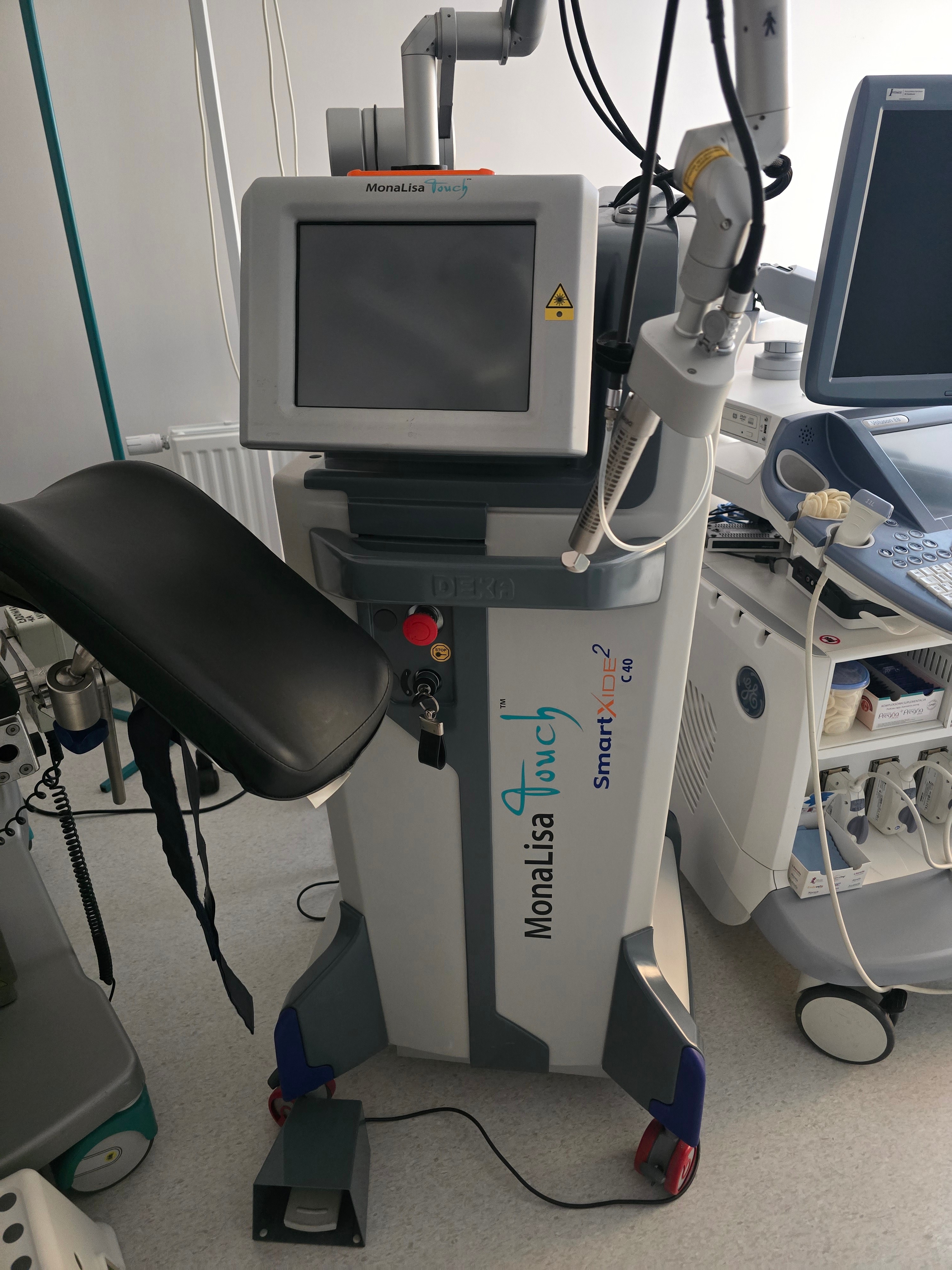
Participants received five monthly laser or sham procedures. Because the control group underwent a simulated procedure and both groups received the same first-line supportive measures, the trial was designed to separate the specific effect of laser from expectations, clinical attention, time and the benefit of supportive care.
At 12 months, the researchers found no significant between-group advantage for laser across the main patient-reported and clinical measures. There were no severe adverse events reported in the trial. That safety observation comes from a relatively small study and does not establish the safety of every device, protocol or patient population.
What improved—and what did not
Improvement in both groups is not evidence that the laser worked. It may reflect the moisturizers, lubricants and vibrator supplied to everyone, a placebo or care effect, natural fluctuation, or some combination of these factors. The clinically relevant result is that adding laser did not improve outcomes beyond the sham comparison and shared supportive care.
This was a single-centre study in Spain and the 12-month report was a secondary exploratory analysis. The laser device and some supportive products were supplied by manufacturers, and the paper reports outside professional fees for some authors. Those facts do not invalidate the findings, but they are part of assessing how widely the result should be applied.
Why it matters
People treated for breast cancer can experience vaginal dryness, pain and sexual difficulties, while some hormonal options may require individual specialist assessment. Procedures marketed as restorative can be costly and compelling. A sham-controlled result helps distinguish improvement during care from an added treatment effect and supports honest conversations about evidence and uncertainty.
What to watch
Larger multicentre trials, longer follow-up, consistent reporting of patient-important outcomes and adverse effects, and direct comparisons with established supportive approaches. This study is not an instruction to start or stop treatment; people with symptoms should discuss options and their cancer history with their oncology, gynaecology or menopause-care team.