What happened
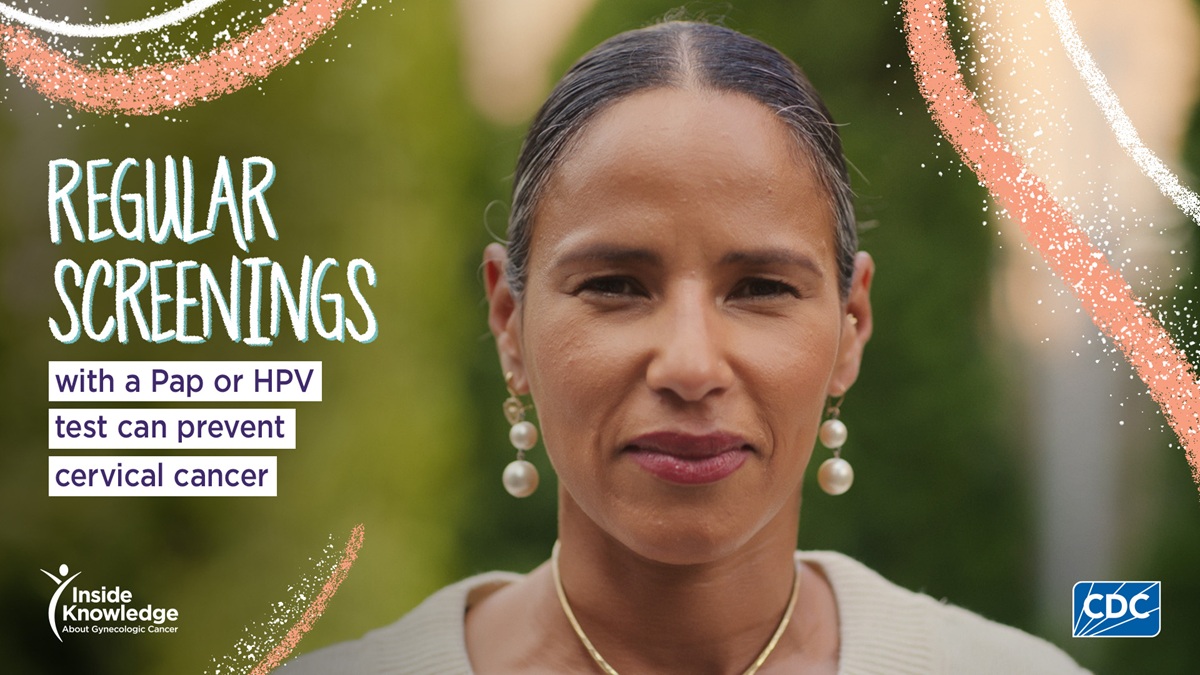
A cross-sectional study of US electronic medical records found that cervical cancer screening increased overall between 2019 and 2024, after disruption early in the COVID-19 pandemic. The annual samples included roughly 9 million to 16 million female patients aged 21 to 64 who had at least one healthcare encounter. Lower screening rates persisted among American Indian or Alaska Native and Native Hawaiian or Pacific Islander patients, and in Western and Southern census regions.
A very large dataset, with an important denominator
Researchers used de-identified records from a national electronic-health-record network. The analysis measured screening among patients with at least one encounter in a given year. It therefore describes screening within participating healthcare systems; it is not a census of everyone eligible for screening, including people who did not access care at all.
The repeated annual samples show how recorded screening changed across the period, but they do not necessarily follow the same people from year to year. Nor does an annual screening percentage equal compliance with guidelines, because recommended intervals vary by age, test type, clinical history and the guideline being applied.
Recovery was not equal
The overall upward trend is encouraging, yet the gaps matter because cervical cancer is highly preventable when vaccination, screening, follow-up and treatment are accessible. The study identified persistent differences by race, ethnicity and region; it did not establish a single cause for them.
Potential barriers can occur at several points: getting a visit, receiving the appropriate test, obtaining results and completing follow-up after an abnormal finding. The dataset is useful for locating patterns, while local and person-level research is needed to understand which barriers are operating in a particular community.
Why it matters
A national average can improve while people at highest risk remain underserved. Screening programmes need to measure who is reached, who is missing and whether abnormal results lead to timely care. Reporting the denominator clearly is essential: people absent from healthcare records may also face the greatest access barriers.
What to watch
Person-level follow-up, coverage among people without regular healthcare encounters, and analysis of what drives regional and racial differences. Future monitoring should also show how newer options, including HPV self-collection where available and appropriate, affect access and completion of follow-up.