What happened
Researchers mapped the cells inside endometriosis lesions and found clues to how nerves and immune cells may amplify pain.
What the study examined
Endometriosis can make periods, sex or everyday movement painful. For some people, pelvic pain persists between periods. Understanding what drives that pain could help researchers develop treatments that target the pain itself.
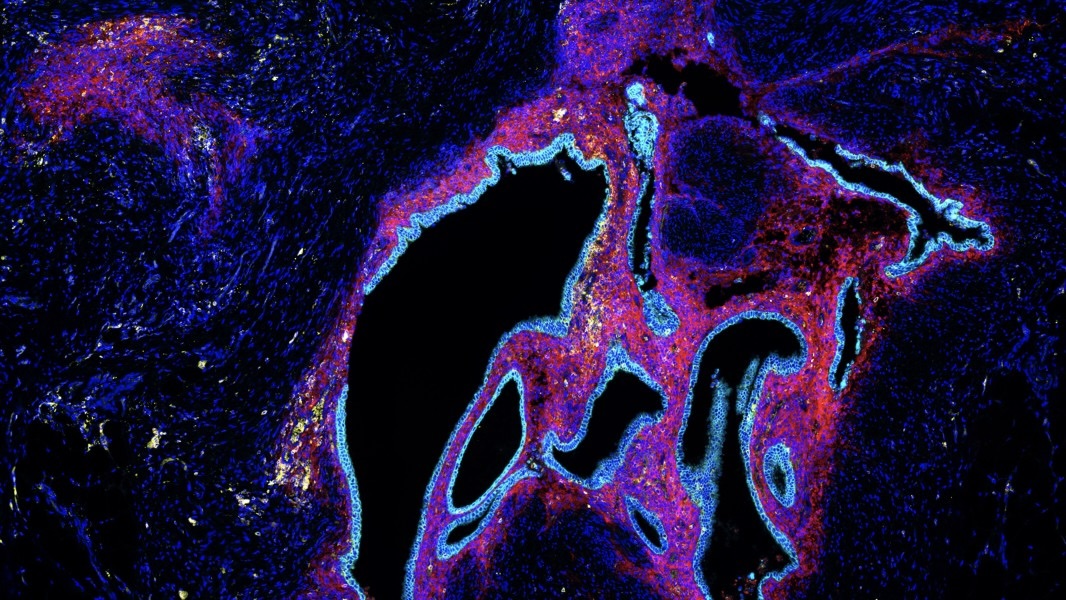
A study published in Nature Communications looked closely at endometriosis lesions, where tissue similar to the lining of the uterus grows outside it. Researchers at The Jackson Laboratory mapped which cells were present and where they sat in relation to one another. This let them examine how nerves and immune cells may interact within the tissue.
What the researchers found
Immune cells release signals that help coordinate inflammation. Nerves can respond to signals in nearby tissue. The researchers found patterns consistent with those systems influencing each other inside lesions, potentially making pain signals stronger.
The findings give researchers a specific question to test. Could interrupting particular signals reduce pain? Answering that will require studies that test whether targeting those pathways helps people living with endometriosis.
Why it matters
Mapping the cells inside lesions gives researchers specific pain pathways to investigate.
What to watch
Studies testing whether targeting these signals can relieve pain in people.