What happened
Postmenopausal women living in areas with higher estimated indoor radon concentrations had a higher adjusted hazard of heart failure in a study published in JAMA Network Open.
What the researchers measured
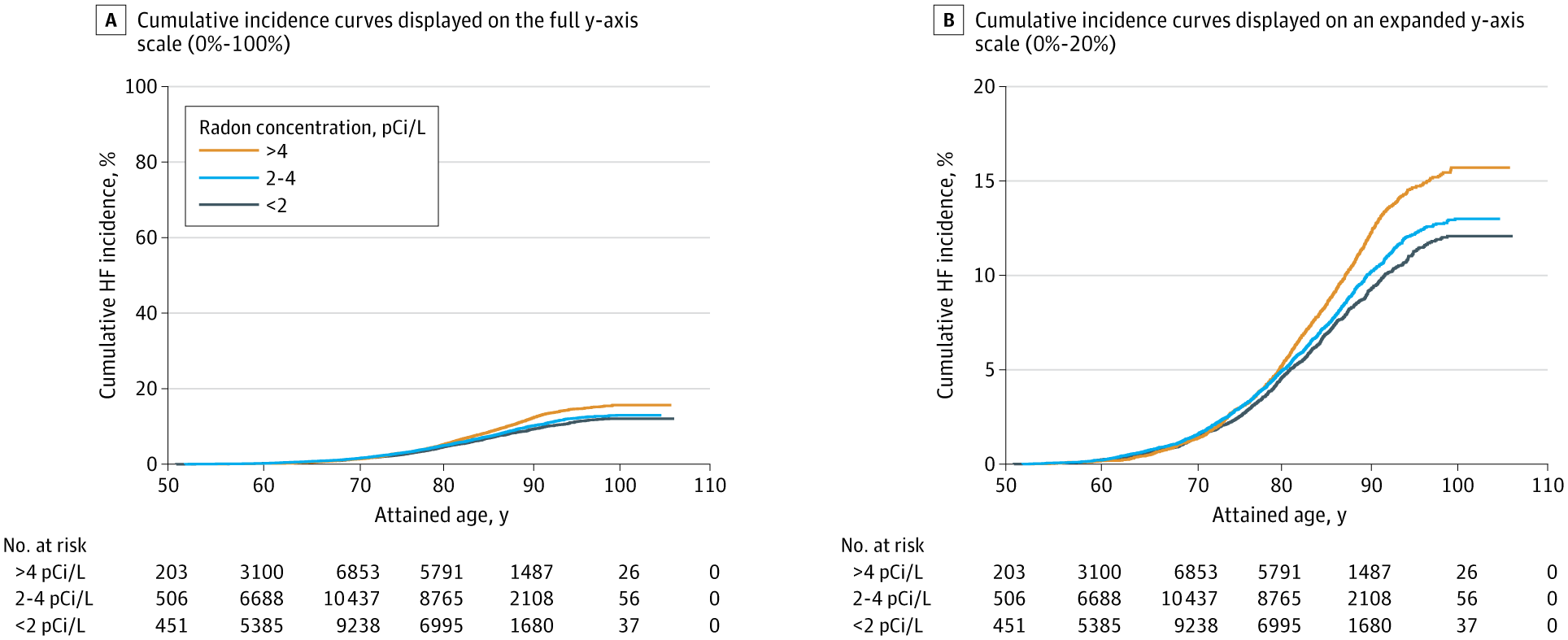
The analysis included 43,188 Women’s Health Initiative participants without self-reported heart failure at baseline. Over an average 16.2 years, researchers recorded 3,446 heart-failure events.
The highest county-level radon category, above 4 picocuries per litre, was associated with a 19% higher adjusted hazard than concentrations below 2. The hazard ratio was 1.19, with a 95% confidence interval of 1.07–1.33.
What the study cannot show
Radon was estimated from geographic data, rather than measured in each participant’s home. People within the same area can have different exposures. Unmeasured geographic and personal factors may also contribute to the association.
This was an observational analysis. It cannot establish that radon caused heart failure or that reducing exposure would prevent it. The results also cannot be assumed to apply to younger people or South African households.
Why it matters
InsideHer’s editorial view is that women’s cardiovascular research should consider the environments in which people live, while keeping associations separate from demonstrated prevention strategies.
What to watch
Studies using household measurements, replication in other populations and research testing mechanisms and interventions.