What happened
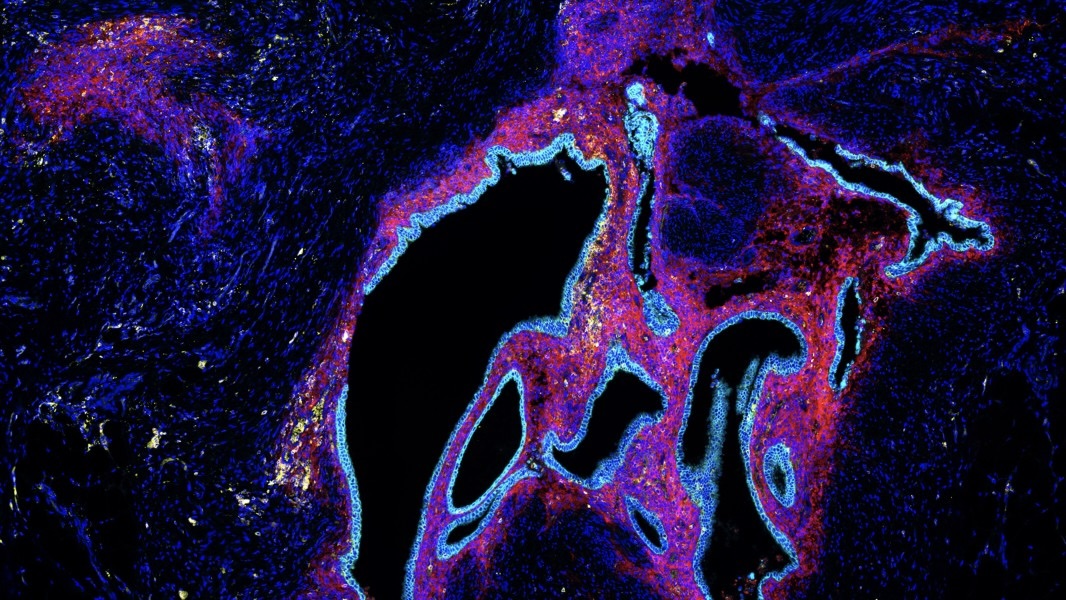
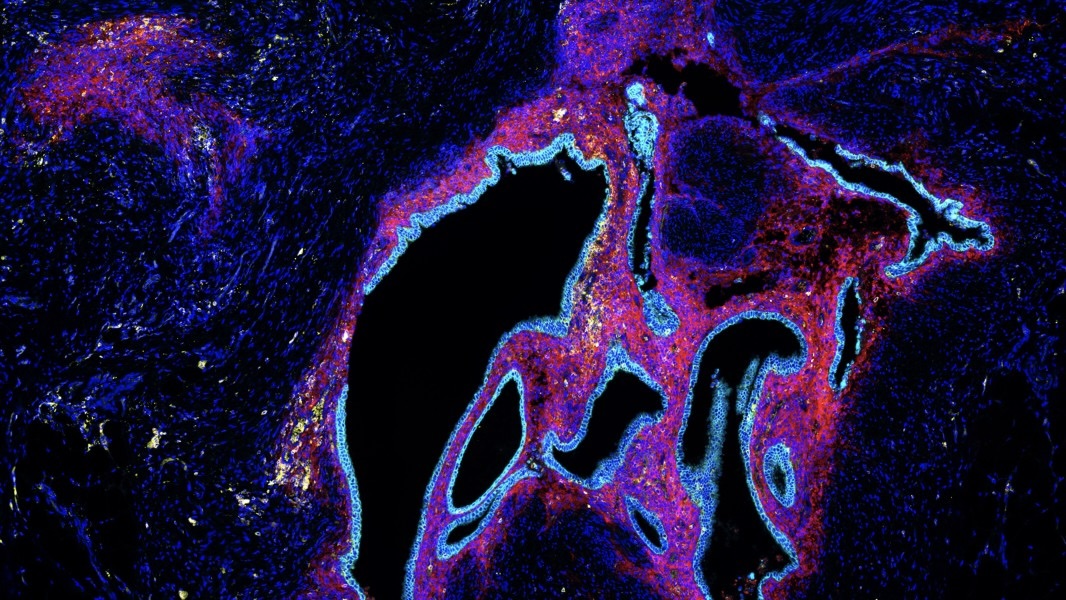
Researchers combined single-cell analysis of 11 clinical samples with laboratory experiments and mouse models to investigate TREM2-positive macrophages, a population of immune cells enriched in endometriosis.
Why look at immune cells?
Researchers combined single-cell analysis of 11 clinical samples with laboratory experiments and mouse models to investigate TREM2-positive macrophages, a population of immune cells enriched in endometriosis.
They found links between these macrophages and reduced activity of CD8 T cells and natural killer cells, both involved in immune defence.
What happened in mice
Removing TREM2 enhanced those immune responses and reduced lesion growth in the mouse model. The experiments also investigated communication pathways and BAG3-associated cellular recycling processes.
The authors identify TREM2 as a candidate target for future non-hormonal therapies. Establishing a treatment requires further evidence about safety and benefit in people. InsideHer’s editorial view is that this work expands the questions researchers can ask about why lesions persist.
Why it matters
The work identifies an immune pathway that could inform future non-hormonal research.
What to watch
Replication and human studies measuring safety, pain and disease outcomes.