What happened
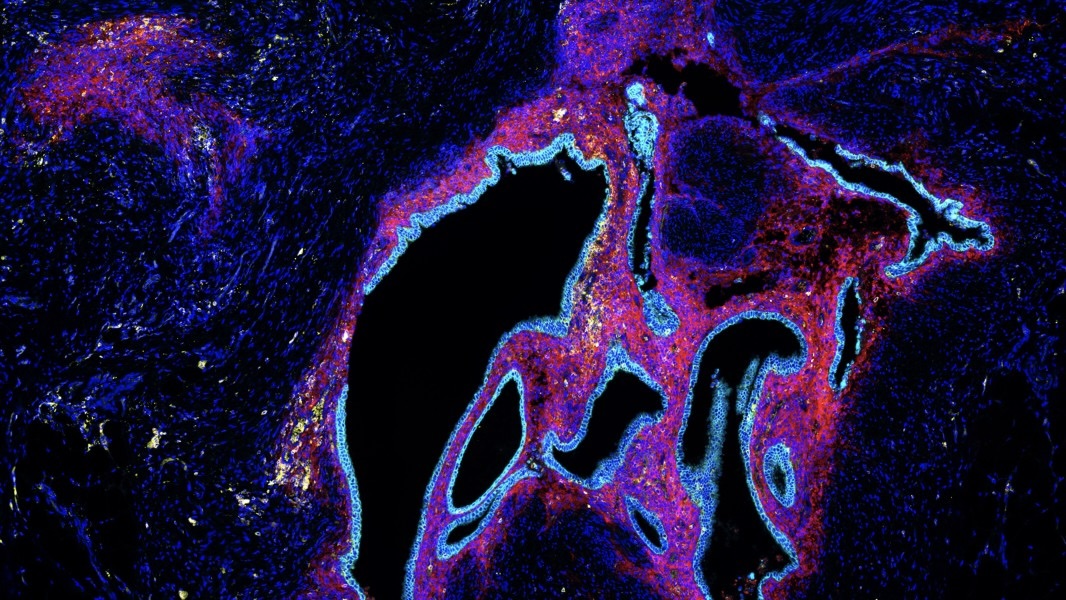
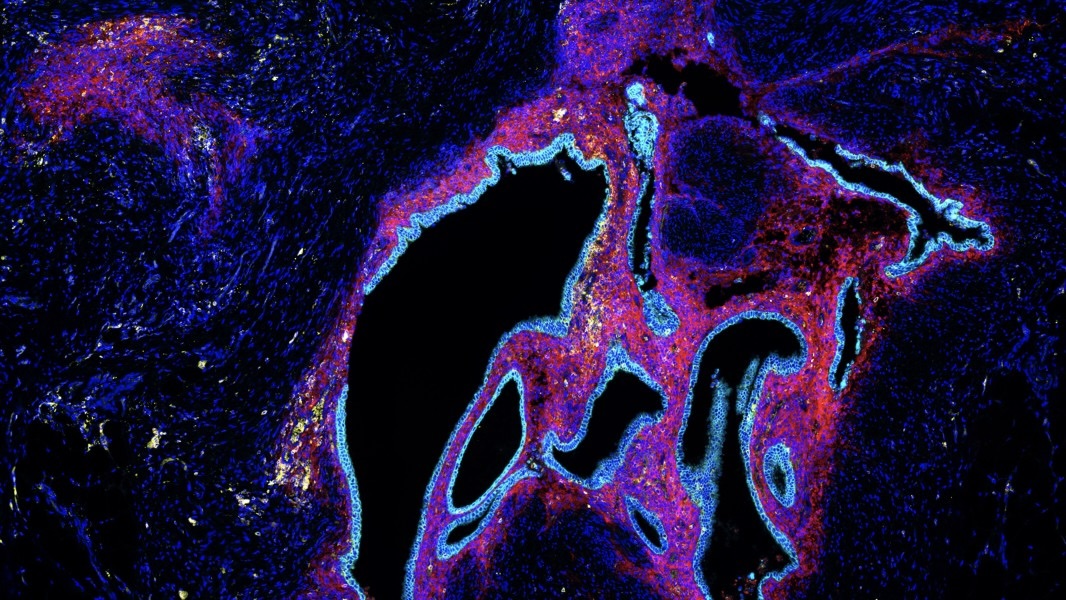
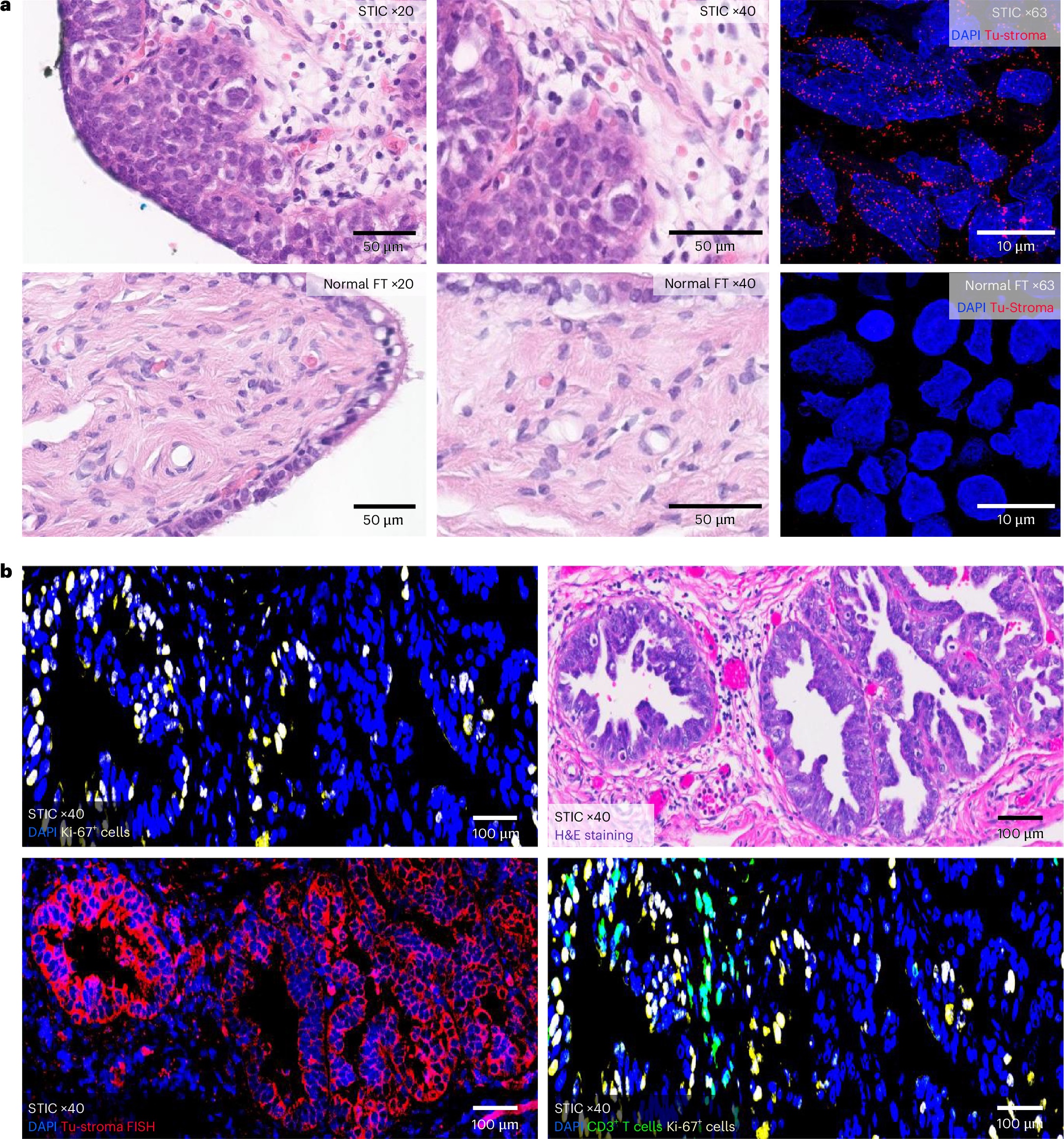
Researchers examined Tu-stroma, an RNA molecule carried in tiny particles released into blood. Their analysis included 506 people with known tissue diagnoses, spanning controls, benign abnormalities, precancerous fallopian tube lesions and high-grade serous ovarian cancer.
A signal at an early stage
Researchers examined Tu-stroma, an RNA molecule carried in tiny particles released into blood. Their analysis included 506 people with known tissue diagnoses, spanning controls, benign abnormalities, precancerous fallopian tube lesions and high-grade serous ovarian cancer.
Tu-stroma levels distinguished the precursor lesions, called STIC, from comparison samples more effectively than CA125 in this dataset.
What a screening study still needs to establish
The next question is how the marker performs prospectively in people whose diagnosis is unknown when they take the test. Researchers call for real-world validation of accuracy, predictive value and clinical usefulness.
InsideHer’s editorial view is that the promise lies in the early biological signal. A screening programme also needs evidence about false alarms, missed cancers and what happens after a positive result.
Why it matters
The study identifies a candidate marker associated with precancerous and early disease.
What to watch
Prospective validation and evidence about benefits and harms of a testing pathway.